Giovanni Battista Vitali
Capriccio a 4, Op. 5
Released Album
Recent Album
Works Info
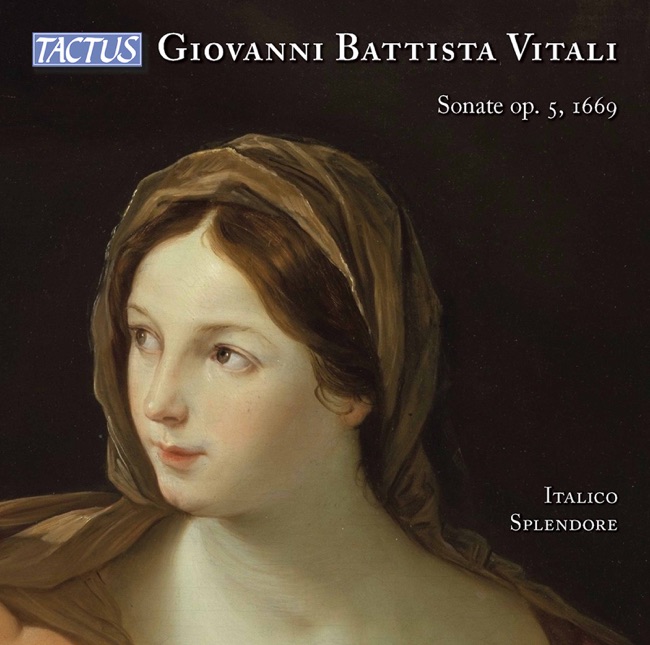
Composer:Giovanni Battista VitaliGenre:ChamberStyle:Chamber MusicCompose Date:1669Average_duration:6:58Movement_count:4Movement ....Giovanni Battista Vitali was an Italian composer and violinist of the Baroque era. He was born in Bologna in 1632 and died in Modena in 1692. Vitali was a prominent figure in the development of instrumental music during the Baroque period, and his works were highly regarded by his contemporaries. One of Vitali's most famous works is his Capriccio a 4, Op. 5. This piece was composed in the mid-17th century and premiered in Bologna in 1669. The Capriccio a 4 is a chamber music work that is scored for two violins, viola, and basso continuo. The Capriccio a 4 is divided into four movements. The first movement is marked "Preludio" and is in a slow tempo. It begins with a simple, lyrical melody played by the violins, which is then taken up by the viola and basso continuo. The movement builds to a climax before subsiding into a quiet, reflective coda. The second movement is marked "Allemanda" and is in a moderate tempo. It is a dance-like movement that features lively rhythms and intricate counterpoint between the violins and viola. The basso continuo provides a steady, driving pulse throughout the movement. The third movement is marked "Sarabanda" and is in a slow tempo. It is a melancholy, introspective movement that features expressive melodies and rich harmonies. The violins and viola take turns playing the main melody, while the basso continuo provides a gentle, supportive accompaniment. The final movement is marked "Giga" and is in a fast tempo. It is a lively, energetic movement that features virtuosic passages for the violins and viola. The basso continuo provides a driving, rhythmic accompaniment that propels the movement forward to its exciting conclusion. Overall, the Capriccio a 4 is a masterful example of Baroque chamber music. It showcases Vitali's skill as a composer and his ability to create music that is both technically challenging and emotionally expressive. The work is characterized by its intricate counterpoint, expressive melodies, and rich harmonies, and it remains a popular piece in the chamber music repertoire to this day.More....