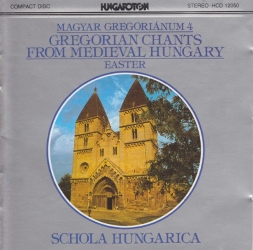
Gregorian Chant
Regina caeli, antiphon in Honor of Our Lady
Released Album
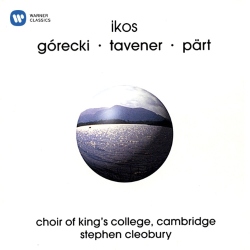
Recent Album
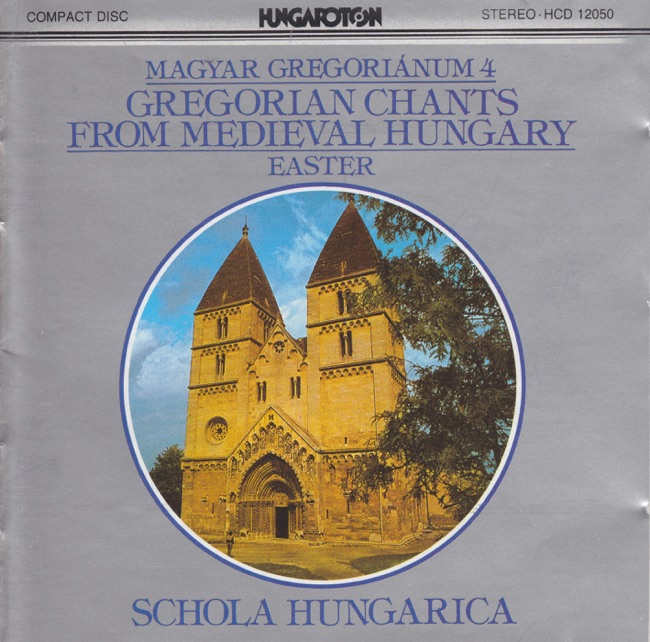
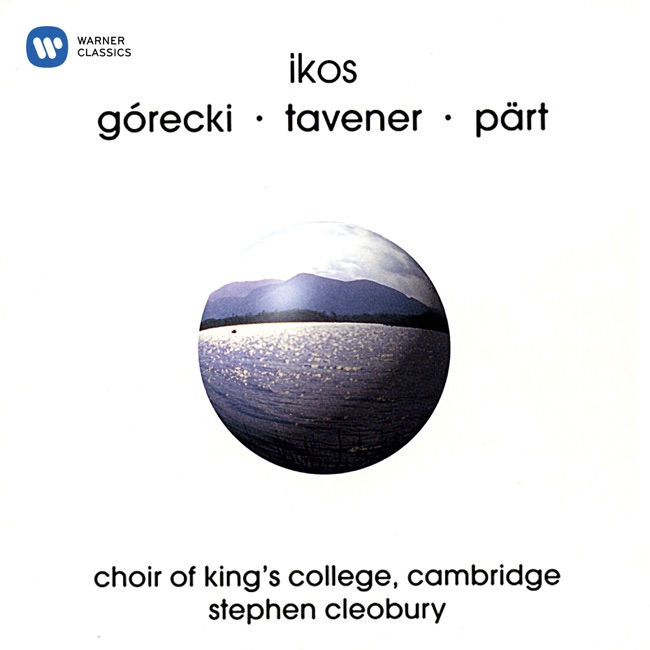
Works Info
Composer:Gregorian ChantGenre:ChoralStyle:ChantAverage_duration:2:08Regina caeli is an antiphon in honor of the Virgin Mary, composed in Gregorian chant. It is traditionally sung during the Easter season, from Easter Sunday until Pentecost. The antiphon is believed to have been composed in the 12th century, although its exact origins are unknown. The text of Regina caeli is a hymn of praise to the Virgin Mary, celebrating her role as the mother of Christ and the Queen of Heaven. The antiphon is divided into four movements, each of which is sung in a different mode of Gregorian chant. The first movement begins with the words "Regina caeli, laetare, alleluia" ("Queen of Heaven, rejoice, alleluia"). This section is sung in Mode V, which is characterized by its flowing, melodic lines and its use of the natural minor scale. The second movement begins with the words "Quia quem meruisti portare, alleluia" ("For he whom you have borne, alleluia"). This section is sung in Mode I, which is characterized by its solemn, contemplative character and its use of the Dorian mode. The third movement begins with the words "Resurrexit sicut dixit, alleluia" ("He has risen as he said, alleluia"). This section is sung in Mode VI, which is characterized by its joyful, exuberant character and its use of the Aeolian mode. The final movement begins with the words "Ora pro nobis Deum, alleluia" ("Pray for us to God, alleluia"). This section is sung in Mode VIII, which is characterized by its solemn, majestic character and its use of the Mixolydian mode. Overall, Regina caeli is a beautiful and uplifting hymn that celebrates the Virgin Mary's role in the Easter story. Its use of different modes of Gregorian chant gives it a rich and varied musical texture, and its joyful, exuberant character makes it a fitting tribute to the Queen of Heaven.More....
Works Music