Michael Praetorius
Maria Magdalena
Released Album
Recent Album
Works Info
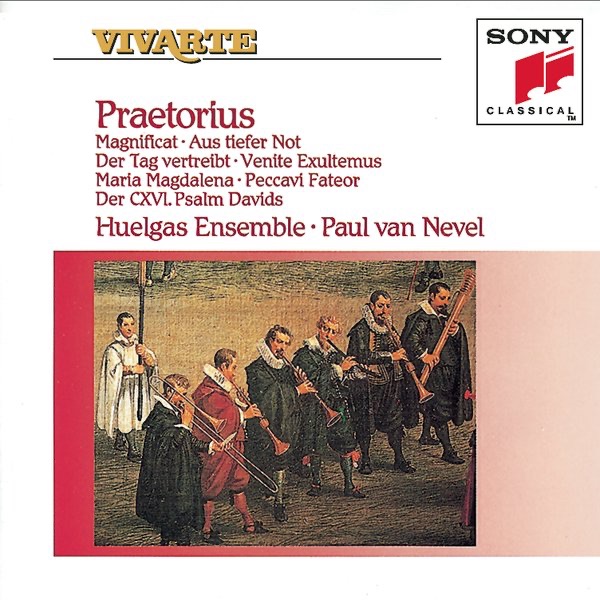
Composer:Michael PraetoriusGenre:VocalStyle:Vocal MusicAverage_duration:6:12Michael Praetorius was a German composer, organist, and music theorist of the late Renaissance era. He was born in Creuzburg, Thuringia, in 1571 and died in Wolfenbüttel, Lower Saxony, in 1621. Praetorius was one of the most prolific composers of his time, and his works include sacred and secular music, as well as music for the theater. One of Praetorius's most famous works is his setting of the hymn "Maria Magdalena." The composition is a sacred motet for five voices, and it was first published in 1607 in his collection "Musae Sioniae." The piece is written in Latin and is based on the story of Mary Magdalene, one of the most important figures in the New Testament. The premiere of "Maria Magdalena" is not known, but it is likely that it was performed in a church setting, as was typical for sacred music of the time. The piece is divided into three movements, each with its own distinct character and musical style. The first movement is a lively and joyful setting of the text "Maria Magdalena venit ad monumentum," which translates to "Mary Magdalene came to the tomb." The music is characterized by its rhythmic energy and lively counterpoint, with each voice weaving in and out of the texture. The second movement is a more contemplative setting of the text "Quem quaeritis in sepulchro, o Christicolae?" which translates to "Whom do you seek in the tomb, O followers of Christ?" The music is more subdued and introspective, with a slower tempo and more sustained harmonies. The final movement is a triumphant setting of the text "Surrexit Christus spes mea," which translates to "Christ, my hope, has risen." The music is characterized by its exuberant energy and joyful harmonies, with each voice soaring to its highest register in celebration of the resurrection. Overall, "Maria Magdalena" is a masterful example of Praetorius's skill as a composer. The piece showcases his ability to create complex and intricate counterpoint, while also conveying a range of emotions and moods through his use of harmony and rhythm. It remains a beloved work in the sacred music repertoire to this day.More....
Works Music
Released Music