William Byrd
Ut re mi fa sol la in F major, MB 58
Released Album
Recent Album

Featured Album
Works Info
Composer:William ByrdGenre:KeyboardStyle:Character PieceAverage_duration:3:27William Byrd's 'Ut re mi fa sol la in F major, MB 58' is a choral work that was composed during the Renaissance period. The piece was likely composed in the late 16th century, although the exact date is unknown. It was first performed in England, where Byrd was a prominent composer and musician. The work is divided into six movements, each of which is based on a different note of the hexachord (a six-note scale used in medieval and Renaissance music). The movements are titled after the notes they are based on: 'Ut re mi fa sol la'. The final movement, 'La', is a setting of the Latin text 'Ave Maria'. The first movement, 'Ut', is a lively and rhythmic piece that features imitative polyphony (where different voices sing the same melody at different times). The second movement, 'Re', is a slower and more contemplative piece that features a homophonic texture (where all voices sing the same melody at the same time). The third movement, 'Mi', is a lively and rhythmic piece that features a combination of imitative polyphony and homophony. The fourth movement, 'Fa', is a slower and more contemplative piece that features a homophonic texture. The fifth movement, 'Sol', is a lively and rhythmic piece that features imitative polyphony. The final movement, 'La', is a setting of the Latin text 'Ave Maria'. It is a slower and more contemplative piece that features a homophonic texture. Overall, 'Ut re mi fa sol la in F major, MB 58' is a complex and sophisticated choral work that showcases Byrd's mastery of Renaissance polyphony. The use of the hexachord as a structural device gives the work a sense of unity and coherence, while the varied textures and rhythms of the individual movements keep the listener engaged and interested.More....
Works Music
Released Music


4
Ut re mi fa sol la in F major, VF 58
Ut, re, mi, fa, sol, la in F major (MB: Vol. 28, No. 58)
4:33
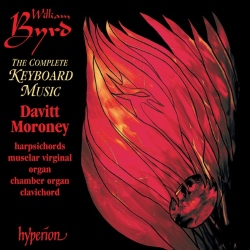
Featured Music