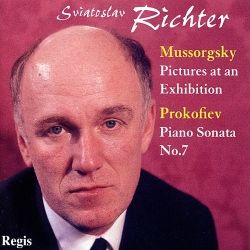
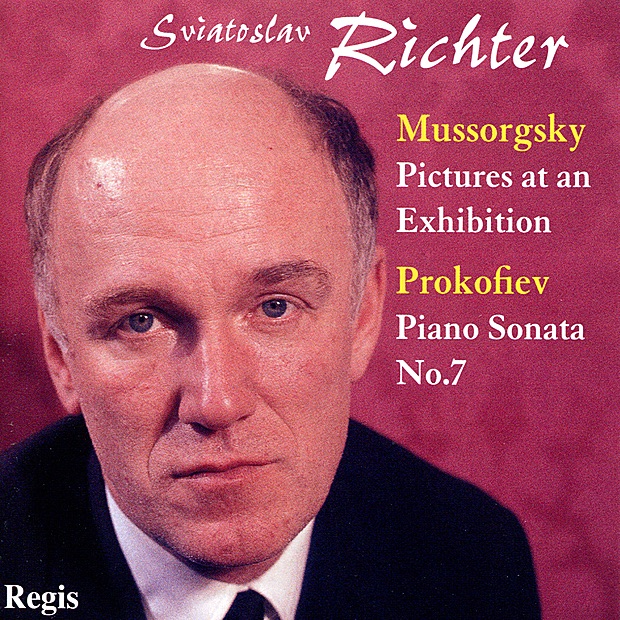
Modest Mussorgsky
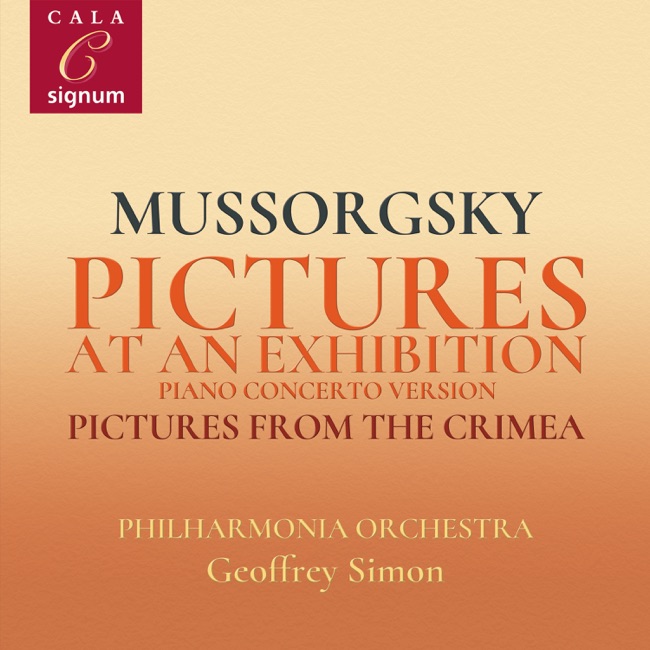
Pictures at an Exhibition, for piano & orchestra
Released Album
Recent Album
-
-
-
 Kyu Yeon KimJune 22, 2009
Works Info
Composer:Modest MussorgskyGenre:OrchestralStyle:OrchestralCompose Date:1874Average_duration:33:55Modest Mussorgsky's "Pictures at an Exhibition" is a suite of ten pieces for piano, which was later orchestrated by Maurice Ravel. The work was composed in 1874 in memory of Mussorgsky's friend, the artist Viktor Hartmann, who had died the previous year. The suite is a musical depiction of a visit to an exhibition of Hartmann's paintings, with each movement representing a different painting. The suite is composed of ten movements, each representing a different painting. The movements are: 1. Promenade - This is the opening movement and represents the visitor walking through the exhibition. 2. Gnomus - This movement represents a painting of a gnome, with its jerky, angular rhythms and dissonant harmonies. 3. Promenade - This is a repeat of the opening movement, representing the visitor moving on to the next painting. 4. Il vecchio castello - This movement represents a painting of an old castle, with its melancholy melody and rich harmonies. 5. Promenade - Another repeat of the opening movement. 6. Tuileries - This movement represents a painting of children playing in the Tuileries gardens in Paris, with its playful melody and light, delicate texture. 7. Bydlo - This movement represents a painting of a Polish ox-cart, with its heavy, plodding rhythm and dark, brooding harmonies. 8. Promenade - Another repeat of the opening movement. 9. Ballet of the Unhatched Chicks - This movement represents a painting of chicks hatching from their eggs, with its lively, playful melody and rapid-fire rhythms. 10. Samuel Goldenberg and Schmuyle - This movement represents two paintings side by side, one of a rich Jew and the other of a poor Jew, with its contrasting melodies and harmonies. 11. Promenade - The final repeat of the opening movement. 12. Limoges, le marché - This movement represents a painting of a market in Limoges, with its bustling, lively melody and rapid-fire rhythms. 13. Catacombae - This movement represents a painting of the catacombs beneath Paris, with its eerie, haunting melody and dark, brooding harmonies. 14. Cum mortuis in lingua mortua - This movement represents a painting of the dead in their tombs, with its mournful melody and rich, somber harmonies. 15. The Hut on Fowl's Legs - This movement represents a painting of Baba Yaga's hut, with its wild, frenzied rhythms and dissonant harmonies. 16. The Great Gate of Kiev - The final movement represents a painting of the great gate of Kiev, with its majestic melody and rich, triumphant harmonies. The premiere of "Pictures at an Exhibition" was given by the composer himself in a private performance in 1874. The work was not published until 1886, after Mussorgsky's death. The orchestration by Maurice Ravel was first performed in 1922. The characteristics of "Pictures at an Exhibition" include its vivid musical depictions of the paintings, its use of folk melodies and harmonies, and its innovative use of rhythm and harmony. The work is also notable for its use of the "promenade" theme, which recurs throughout the suite and represents the visitor walking through the exhibition. Overall, "Pictures at an Exhibition" is a masterpiece of programmatic music and a testament to Mussorgsky's genius as a composer.More....
Works Music
Released Music
1
1:39