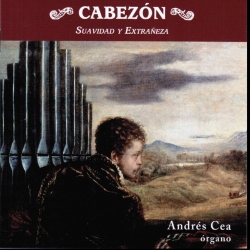
Antonio de Cabezón
Tiento II cuarto tono
Released Album
Recent Album
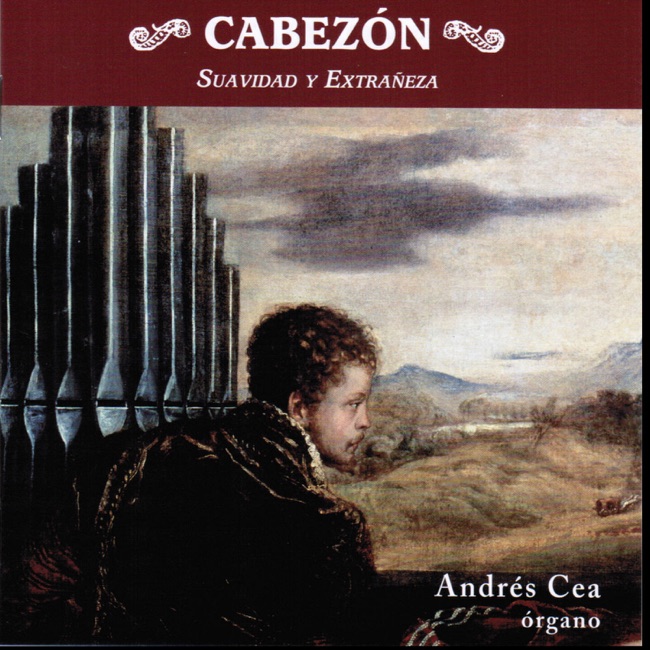

Works Info
Composer:Antonio de CabezónGenre:KeyboardStyle:KeyboardAverage_duration:2:13Antonio de Cabezón was a Spanish composer and organist who lived during the Renaissance period. He was born in 1510 in Castrillo Mota de Judíos, Burgos, and died in 1566 in Madrid. Cabezón was one of the most important composers of his time, and his works are still performed and studied today. One of Cabezón's most famous works is the 'Tiento II cuarto tono', which was composed for the organ. The piece is part of a collection of works called 'Obras de Música para Tecla, Arpa y Vihuela', which was published in 1578, twelve years after Cabezón's death. The 'Tiento II cuarto tono' is a complex piece that is divided into three movements. The first movement is marked 'Allegro', and it is characterized by its fast tempo and lively rhythm. The second movement is marked 'Adagio', and it is a slower, more contemplative section of the piece. The third movement is marked 'Allegro', and it returns to the fast tempo and lively rhythm of the first movement. The piece is written in the fourth tono, which was a popular tonality in Renaissance Spain. The tono refers to the mode or scale that the piece is written in, and the fourth tono was known for its bright and cheerful sound. The 'Tiento II cuarto tono' is a virtuosic piece that showcases the technical abilities of the organist. It features intricate counterpoint, rapid arpeggios, and complex harmonies. The piece also demonstrates Cabezón's skill in improvisation, as it includes sections where the performer is expected to improvise on a given theme. The 'Tiento II cuarto tono' premiered during Cabezón's lifetime, although the exact date and location of the premiere are unknown. However, it is likely that the piece was performed in a church or cathedral, as the organ was primarily used for religious music during the Renaissance period. Overall, the 'Tiento II cuarto tono' is a masterpiece of Renaissance organ music. Its complex structure, technical demands, and improvisational elements make it a challenging and rewarding piece for performers and listeners alike.More....
Works Music
Released Music