John Jenkins
Fantasy á 5 No. 4 in D minor
Released Album
Recent Album

Featured Album
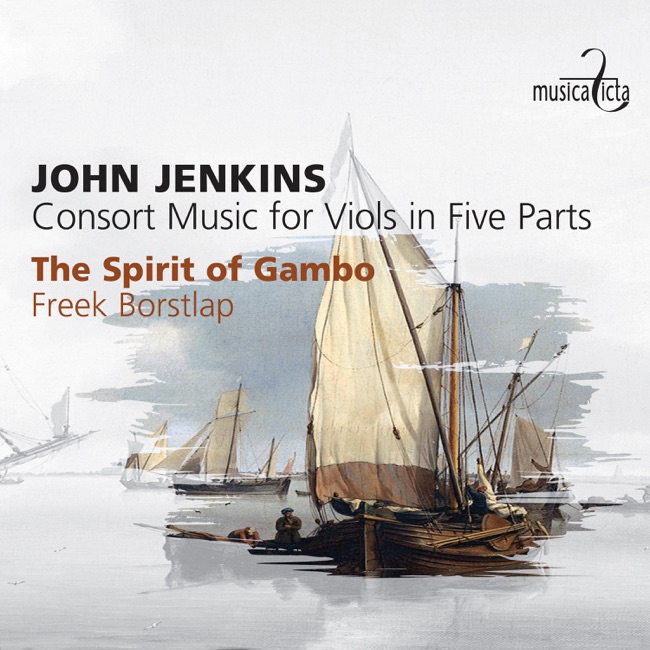
Works Info
Composer:John JenkinsGenre:ChamberStyle:FantasyCompose Date:before 1630Average_duration:4:02John Jenkins was an English composer and viol player who lived from 1592 to 1678. He was a prominent figure in the English consort music scene during the 17th century. One of his most famous works is the 'Fantasy á 5 No. 4 in D minor', which was composed for a consort of five viols. The 'Fantasy á 5 No. 4 in D minor' was composed in the early 17th century, although the exact date is unknown. It was likely composed during the reign of King James I, who was a patron of the arts and a lover of music. The piece was first performed in the royal court, and it quickly became popular among the English nobility. The 'Fantasy á 5 No. 4 in D minor' is a four-movement work that is typical of the English consort music of the time. The first movement is a slow and mournful introduction that sets the tone for the rest of the piece. The second movement is a lively and energetic dance that features intricate counterpoint and virtuosic playing from all five viols. The third movement is a slow and contemplative piece that showcases the expressive capabilities of the viols. The final movement is a fast and lively dance that brings the piece to a rousing conclusion. One of the characteristics of the 'Fantasy á 5 No. 4 in D minor' is its use of counterpoint. Jenkins was a master of counterpoint, and he used it extensively in this piece. The five viols play intricate and interweaving melodies that create a rich and complex texture. Another characteristic of the piece is its use of chromaticism. Jenkins was one of the first English composers to use chromaticism in his music, and he used it to great effect in this piece. The chromaticism adds a sense of tension and drama to the music, and it creates a sense of forward motion that propels the piece forward. Overall, the 'Fantasy á 5 No. 4 in D minor' is a masterpiece of English consort music. It showcases Jenkins' skill as a composer and his mastery of counterpoint and chromaticism. The piece has remained popular among musicians and audiences alike, and it continues to be performed and recorded to this day.More....