


Franz Liszt
Einleitung, Fuge & Magnificat aus der Symphonie zu Dante, S. 672b
Released Album
Recent Album
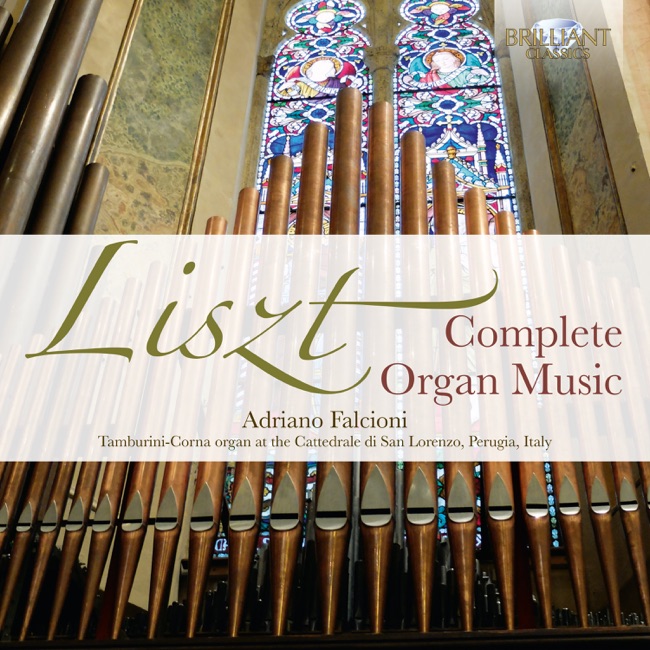



Works Info
Composer:Franz LisztGenre:KeyboardStyle:EtudeCompose Date:1860Publication Date:1869Average_duration:13:57Franz Liszt's 'Einleitung, Fuge & Magnificat aus der Symphonie zu Dante, S. 672b' is a composition that was completed in 1856. It was premiered in the same year in Weimar, Germany. The piece is part of Liszt's larger work, the 'Dante Symphony', which was inspired by Dante Alighieri's 'Divine Comedy'. The 'Einleitung' (Introduction) is a slow and somber piece that sets the tone for the rest of the composition. It begins with a mournful melody played by the strings, which is then joined by the woodwinds and brass. The music gradually builds in intensity, leading into the next movement. The 'Fuge' (Fugue) is a complex and intricate piece that showcases Liszt's skill as a composer. It begins with a single voice playing a simple melody, which is then repeated and developed by other voices. The music builds in complexity as more voices are added, culminating in a powerful climax. The 'Magnificat' is the final movement of the piece, and it is a triumphant and joyful piece of music. It begins with a fanfare played by the brass, which is then joined by the rest of the orchestra. The music is energetic and lively, with a sense of celebration and triumph. Overall, 'Einleitung, Fuge & Magnificat aus der Symphonie zu Dante, S. 672b' is a powerful and emotional composition that showcases Liszt's skill as a composer. The piece is characterized by its complex harmonies, intricate melodies, and dramatic shifts in mood and intensity. It is a testament to Liszt's ability to create music that is both technically impressive and emotionally resonant.More....
Works Music
Released Music
1
Introduction, Fugue & Magnificat from the Symphony to Dante, p. 672b
I. Einleitung - Adagio, Andante, Un Poco Meno Mosso
5:45
2

16:45
3

Introduction, Fugue & Magnificat from the Symphony to Dante, p. 672b
Einleitung - Adagio, Andante, Un poco meno mosso
5:6
4

Introduction, Fugue & Magnificat from the Symphony to Dante, p. 672b
Introduction, Fugue and Magnificat
14:0