Julius Rietz
Sonata for flute & piano in G major, Op. 42
Released Album
Recent Album
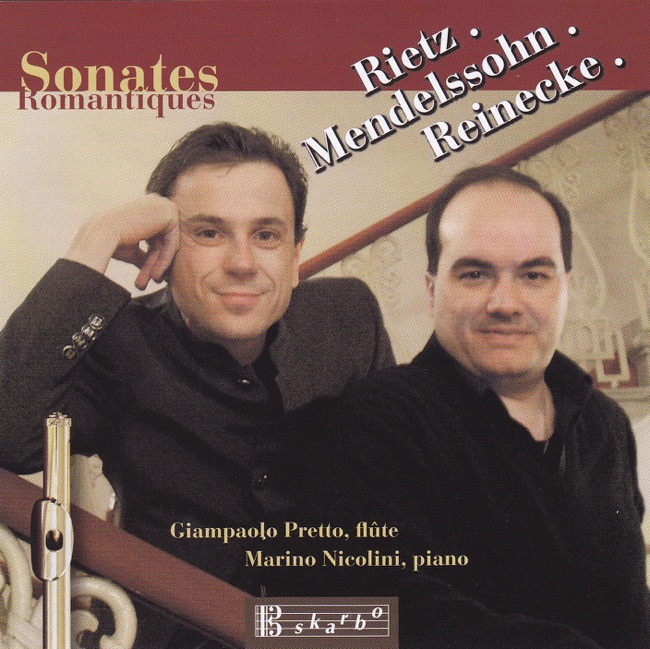
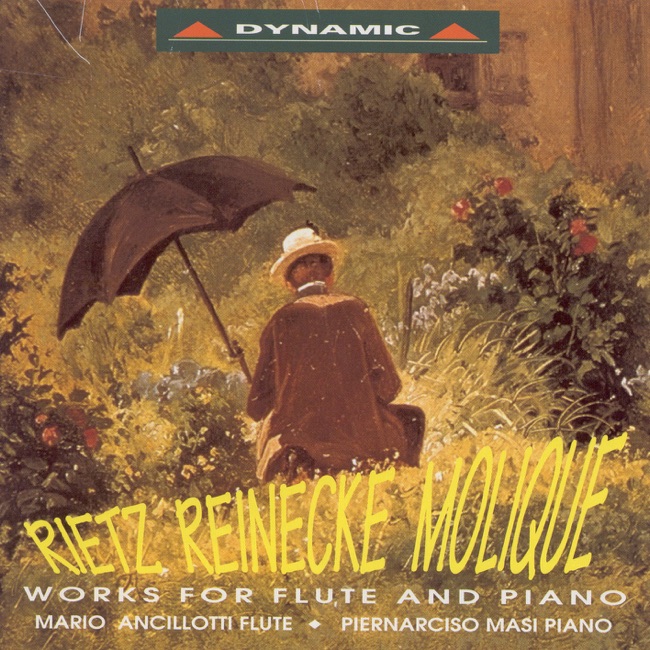
Works Info
Composer:Julius RietzGenre:ChamberStyle:SonataAverage_duration:23:16Movement_count:4Movement ....Julius Rietz's Sonata for flute & piano in G major, Op. 42, was composed in 1855. The piece premiered in Leipzig, Germany, on January 22, 1856, with the composer himself on the piano and the flutist Theobald Boehm. The sonata consists of three movements: Allegro moderato, Adagio, and Allegro vivace. The first movement, Allegro moderato, begins with a lively and cheerful melody played by the flute, accompanied by the piano. The piano then takes over with a more subdued theme, which is then developed by both instruments. The movement is characterized by its playful and light-hearted nature, with both instruments taking turns leading the melody. The second movement, Adagio, is a slow and melancholic piece that showcases the expressive capabilities of both the flute and the piano. The flute plays a mournful melody, while the piano provides a delicate and sensitive accompaniment. The movement is marked by its emotional depth and introspective character. The final movement, Allegro vivace, is a lively and energetic piece that brings the sonata to a joyful conclusion. The flute and piano engage in a playful dialogue, with both instruments showcasing their technical abilities. The movement is characterized by its virtuosic passages and lively rhythms. Overall, Rietz's Sonata for flute & piano in G major, Op. 42, is a charming and delightful piece that showcases the expressive capabilities of both the flute and the piano. The sonata is marked by its playful and light-hearted nature, as well as its emotional depth and technical virtuosity.More....
Works Music
Released Music