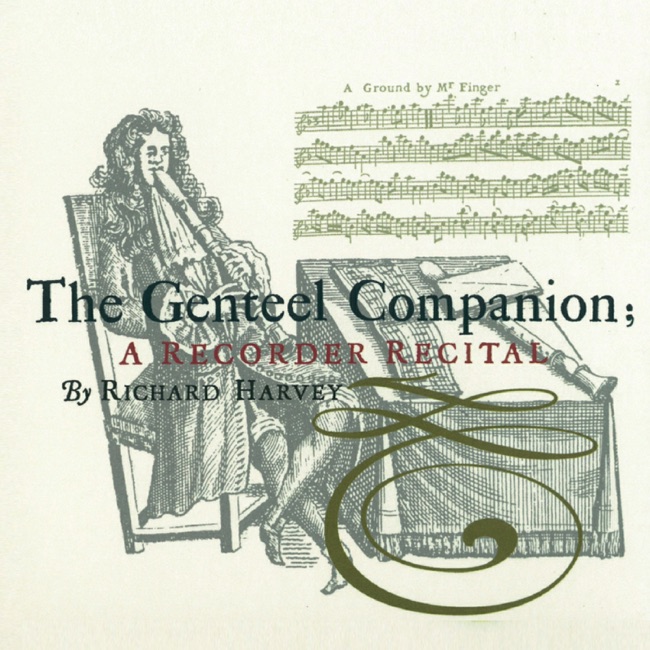
Gottfried Finger
Divisions on a Ground in F
Released Album
Recent Album
Works Info
Composer:Gottfried FingerGenre:MiscellaneousStyle:GroundAverage_duration:2:31Gottfried Finger's 'Divisions on a Ground in F' is a Baroque piece for viola da gamba and continuo. It was composed in the late 17th century, although the exact date is unknown. The piece is believed to have been premiered in London, where Finger was active as a composer and performer. The piece consists of a set of variations on a ground bass, a repeating bass line that serves as the foundation for the entire composition. The ground bass in 'Divisions on a Ground in F' is a simple four-bar phrase in F major, which is repeated throughout the piece. The variations are built on top of this bass line, with the viola da gamba taking the lead in exploring different melodic and rhythmic ideas. The piece is divided into several movements, each of which explores a different aspect of the ground bass. The first movement is a simple statement of the ground bass, played by the continuo. The second movement introduces the viola da gamba, which plays a simple melody over the ground bass. The third movement is a set of variations on the ground bass, with the viola da gamba taking the lead in exploring different melodic and rhythmic ideas. The fourth movement is a slower, more contemplative variation, while the fifth movement is a lively dance-like variation. The final movement is a return to the original ground bass, played by the continuo. One of the characteristics of 'Divisions on a Ground in F' is its use of ornamentation. The viola da gamba is expected to add trills, turns, and other embellishments to the melody, which adds to the overall complexity and richness of the piece. Another characteristic is the use of counterpoint, with the viola da gamba and continuo playing off each other in a complex interplay of melody and harmony. Overall, 'Divisions on a Ground in F' is a beautiful example of Baroque music, with its intricate variations on a simple ground bass and its use of ornamentation and counterpoint. It remains a popular piece among viola da gamba players and Baroque music enthusiasts today.More....
Works Music