Luigi Boccherini
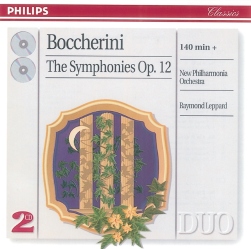
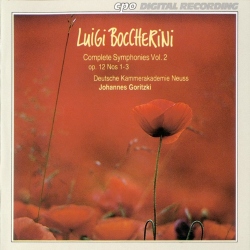
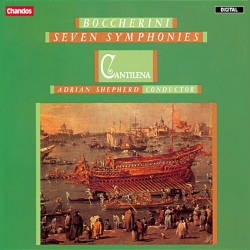
Symphony in C major, G. 505, Op. 12/3
Released Album
Recent Album
Works Info
Composer:Luigi BoccheriniGenre:SymphonyStyle:SymphonyCompose Date:1771Publication Date:? 1776Average_duration:23:16Movement_count:4Movement ....Luigi Boccherini's Symphony in C major, G. 505, Op. 12/3, also known as the "Grand Symphony," was composed in the late 18th century. The exact date of composition is unknown, but it is believed to have been written between 1770 and 1775. The symphony was premiered in Paris in 1775, where it was well-received by audiences and critics alike. The Symphony in C major is comprised of four movements: Allegro con spirito, Largo, Menuetto, and Allegro. The first movement, Allegro con spirito, is characterized by its lively and energetic tempo, with a prominent use of the strings and woodwinds. The second movement, Largo, is a slow and melancholic piece, featuring a solo cello and a delicate interplay between the strings and the winds. The third movement, Menuetto, is a playful and dance-like piece, with a strong emphasis on the rhythm and the use of the horns. The final movement, Allegro, is a fast and lively piece, with a strong sense of urgency and a virtuosic use of the strings and the winds. The Symphony in C major is notable for its use of the classical form, with a clear and structured organization of the movements. It is also characterized by its use of the orchestra, with a prominent use of the strings, the woodwinds, and the horns. Boccherini's use of melody and harmony is also notable, with a strong emphasis on the use of counterpoint and the interplay between the different instruments. Overall, the Symphony in C major is a masterful work of classical music, showcasing Boccherini's skill as a composer and his ability to create a cohesive and engaging piece of music. Its popularity has endured over the centuries, and it remains a beloved work of classical music to this day.More....
Works Music
Released Music