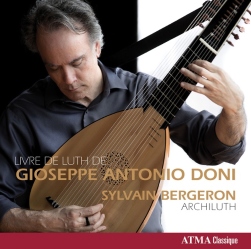
Livre de Luth de Gioseppe Antonio Doni Anonymous
Corrente Francese in G minor
Released Album
Featured Album

Works Info
Composer:Livre de Luth de Gioseppe Antonio Doni AnonymousGenre:ChamberAverage_duration:3:13The "Corrente Francese in G minor" is a beautiful piece of music that was composed by an anonymous composer and included in the "Livre de Luth de Gioseppe Antonio Doni." The exact date of composition is unknown, but it is believed to have been written in the late 16th or early 17th century. The piece is a corrente, which is a type of dance that originated in Italy in the 16th century. It is characterized by its fast tempo and lively rhythm, and it was often performed at weddings and other festive occasions. The corrente was later adopted by French composers, who added their own unique style to the dance. The "Corrente Francese in G minor" is a four-movement piece that is played on the lute. The first movement is in G minor and is marked by its fast tempo and lively rhythm. The second movement is in B-flat major and is slower and more contemplative. The third movement is in G minor and is marked by its intricate fingerwork and complex harmonies. The final movement is in G major and is a lively and joyful conclusion to the piece. One of the characteristics of the "Corrente Francese in G minor" is its use of counterpoint. The piece features multiple melodic lines that are played simultaneously, creating a rich and complex texture. The use of counterpoint was a common technique in Renaissance music, and it is used to great effect in this piece. Another characteristic of the piece is its use of ornamentation. The lute was a popular instrument in the Renaissance, and it was often used to play intricate and ornate melodies. The "Corrente Francese in G minor" is no exception, and it features a variety of trills, mordents, and other embellishments that add to the beauty and complexity of the piece. Overall, the "Corrente Francese in G minor" is a beautiful and lively piece of music that showcases the skill and artistry of the anonymous composer. Its use of counterpoint and ornamentation make it a classic example of Renaissance music, and it continues to be enjoyed by musicians and audiences alike to this day.More....
Works Music