Franz Liszt
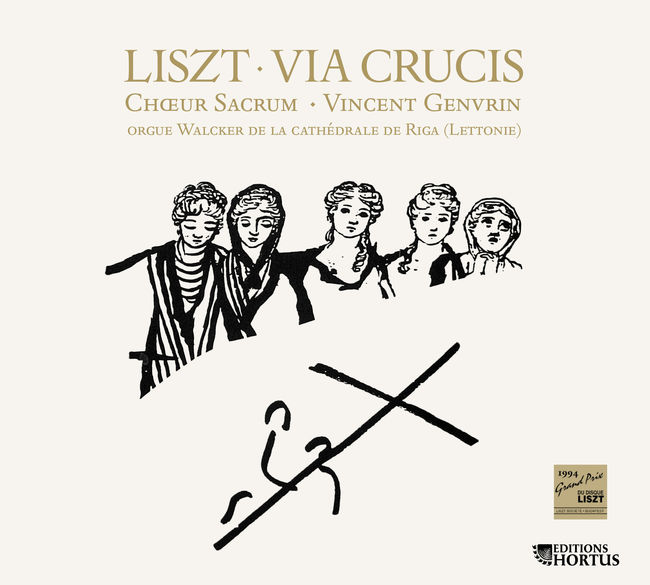
Via Crucis, for piano, S. 504a
Released Album
Recent Album
-

-

-

-

-

-
-
-
 September 28, 1991
 -

-

Works Info
Composer:Franz LisztGenre:KeyboardStyle:KeyboardCompose Date:1879Publication Date:1970Average_duration:35:16Movement_count:15Movement ....Franz Liszt's 'Via Crucis, for piano, S. 504a' is a musical composition that was composed in 1878. The piece was premiered in Rome in 1879, and it consists of 15 movements that depict the Stations of the Cross. The work is a musical representation of the journey of Jesus Christ from his condemnation to his crucifixion and burial. The first movement, "Jesus is Condemned to Death," is a somber and mournful piece that sets the tone for the rest of the work. The second movement, "Jesus Takes Up His Cross," is a more upbeat and energetic piece that represents the determination of Jesus to carry out his mission. The third movement, "Jesus Falls for the First Time," is a slow and contemplative piece that reflects the pain and suffering of Jesus as he stumbles under the weight of the cross. The fourth movement, "Jesus Meets His Mother," is a tender and emotional piece that depicts the meeting of Jesus and his mother Mary on the way to Calvary. The fifth movement, "Simon of Cyrene Helps Jesus Carry the Cross," is a lively and rhythmic piece that represents the assistance of Simon in carrying the cross. The sixth movement, "Veronica Wipes the Face of Jesus," is a gentle and reflective piece that portrays the compassion of Veronica in wiping the face of Jesus. The seventh movement, "Jesus Falls for the Second Time," is a slow and mournful piece that represents the second fall of Jesus under the weight of the cross. The eighth movement, "Jesus Meets the Women of Jerusalem," is a haunting and sorrowful piece that depicts the sympathy of the women of Jerusalem for Jesus. The ninth movement, "Jesus Falls for the Third Time," is a somber and reflective piece that represents the final fall of Jesus before his crucifixion. The tenth movement, "Jesus is Stripped of His Garments," is a stark and dramatic piece that portrays the humiliation of Jesus as he is stripped of his clothing. The eleventh movement, "Jesus is Nailed to the Cross," is a powerful and intense piece that represents the agony of Jesus as he is crucified. The twelfth movement, "Jesus Dies on the Cross," is a solemn and mournful piece that depicts the death of Jesus. The thirteenth movement, "Jesus is Taken Down from the Cross," is a gentle and tender piece that portrays the removal of Jesus from the cross. The fourteenth movement, "Jesus is Laid in the Tomb," is a quiet and reflective piece that represents the burial of Jesus. The final movement, "Resurrection," is a triumphant and joyful piece that celebrates the resurrection of Jesus. Overall, 'Via Crucis, for piano, S. 504a' is a powerful and emotional work that captures the essence of the Stations of the Cross. The piece is characterized by its use of contrasting moods and tempos, as well as its ability to evoke a range of emotions in the listener.More....
Works Music
Released Music