


Codex Las Huelgas Anonymous
Gaude virgo nobilit / Verbum caro factum / Et Veritate
Released Album
Featured Album
Works Info
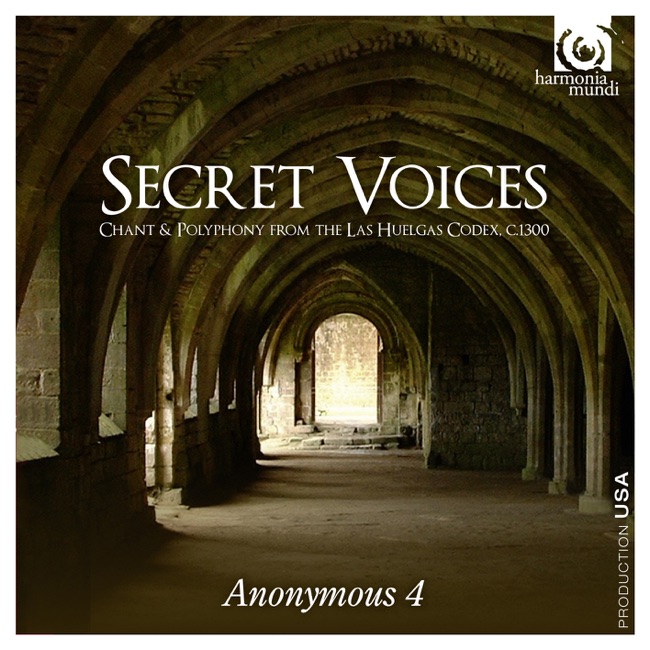
Composer:Codex Las Huelgas AnonymousGenre:VocalAverage_duration:2:42'Gaude virgo nobilit / Verbum caro factum / Et Veritate' is a medieval composition that is part of the Codex Las Huelgas Anonymous. The Codex Las Huelgas is a manuscript that contains a collection of music from the 14th century, and it is named after the Cistercian convent of Las Huelgas in Burgos, Spain, where it was found. The manuscript is considered one of the most important sources of medieval music, and it contains a wide variety of compositions, including sacred and secular music. 'Gaude virgo nobilit / Verbum caro factum / Et Veritate' is a three-part composition that is believed to have been composed in the late 13th or early 14th century. The piece is written in the Gregorian chant style, and it is performed a cappella. The composition is divided into three movements, each with its own distinct characteristics. The first movement, 'Gaude virgo nobilit,' is a hymn to the Virgin Mary. The text of the hymn praises Mary for her purity and her role as the mother of Christ. The music is characterized by a simple, flowing melody that is sung in unison by the choir. The melody is based on the Dorian mode, which gives it a plaintive, mournful quality. The second movement, 'Verbum caro factum,' is a chant that celebrates the Incarnation of Christ. The text of the chant describes the moment when the Word became flesh and dwelt among us. The music is more complex than the first movement, with the choir singing in two parts. The melody is based on the Phrygian mode, which gives it a more joyful, exultant quality. The third movement, 'Et Veritate,' is a chant that proclaims the truth of Christ's message. The text of the chant emphasizes the importance of living a virtuous life and following the teachings of Christ. The music is characterized by a lively, syncopated rhythm that gives it a dance-like quality. The melody is based on the Mixolydian mode, which gives it a bright, cheerful quality. Overall, 'Gaude virgo nobilit / Verbum caro factum / Et Veritate' is a beautiful example of medieval music. The composition is characterized by its simple, yet expressive melodies, and its use of different modes to convey different moods and emotions. The piece is still performed today by choirs and vocal ensembles around the world, and it remains a testament to the enduring power of medieval music.More....
Works Music
Featured Music
1
Gaude virgo nobilit / Verbum caro factum / Et Veritate
Motet: Gaude virgo nobilit / Verbum caro factum / Et Veritate
2:42