Johannes Hieronymus Kapsberger
Canzone prima for theorboe & continuo
Released Album
Recent Album
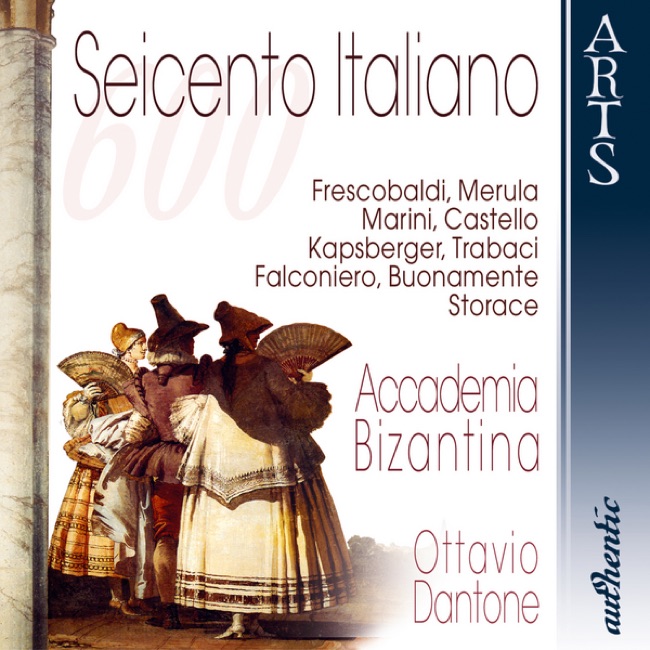
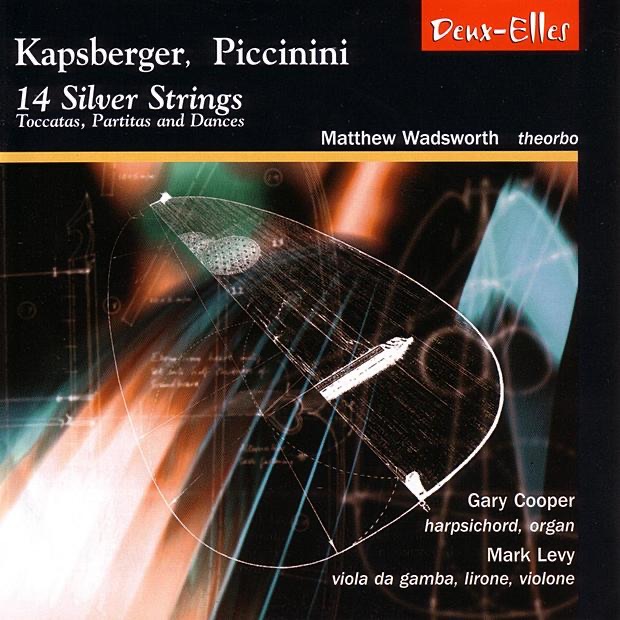
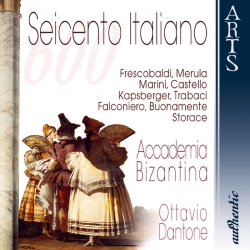
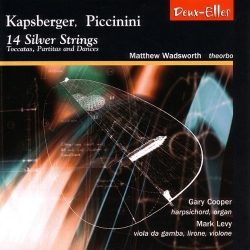
Works Info
Composer:Johannes Hieronymus KapsbergerGenre:ChamberStyle:Chamber MusicAverage_duration:5:07Johannes Hieronymus Kapsberger was a renowned Italian composer and lutenist of the early Baroque era. He was born in Venice in 1580 and died in Rome in 1651. Kapsberger was known for his innovative compositions for the theorbo, a large lute-like instrument with an extended neck and a second pegbox. One of his most famous works is the Canzone prima for theorboe and continuo. The Canzone prima was composed in the early 17th century and premiered in Rome. It is a solo piece for theorbo and continuo, which provides a harmonic foundation for the soloist. The piece is divided into three movements, each with its own distinct character and mood. The first movement is marked by a lively and energetic tempo. It features a series of rapid arpeggios and intricate fingerwork, which showcase the virtuosic abilities of the soloist. The second movement is slower and more contemplative, with a melancholic melody that is accompanied by rich harmonies from the continuo. The final movement returns to the lively tempo of the first, with a series of fast-paced runs and arpeggios that build to a thrilling conclusion. One of the most notable characteristics of the Canzone prima is its use of dissonance and chromaticism. Kapsberger was known for his experimental approach to harmony, and this piece is no exception. The use of dissonant chords and unexpected harmonic shifts creates a sense of tension and drama that is characteristic of the Baroque era. Overall, the Canzone prima for theorboe and continuo is a masterful example of Kapsberger's innovative approach to composition. Its virtuosic solo passages, rich harmonies, and experimental harmonies make it a standout work of the early Baroque era.More....
Works Music