Howard Hanson
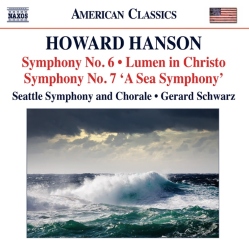
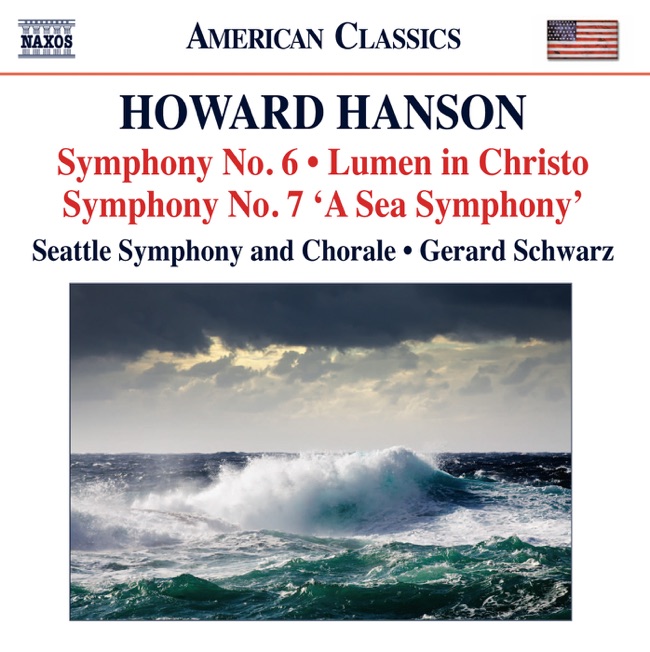
Symphony No. 6
Released Album
Recent Album

Works Info
Composer:Howard HansonGenre:SymphonyStyle:SymphonyCompose Date:1967Average_duration:20:44Movement_count:6Movement ....Symphony No. 6, also known as the "Symphony for Strings," was composed by Howard Hanson in 1967. It premiered on February 8, 1968, in Rochester, New York, with Hanson conducting the Eastman-Rochester Orchestra. The symphony consists of three movements. The first movement, marked "Allegro moderato," begins with a somber and introspective theme played by the cellos and basses. The theme is then passed on to the violins, and the movement gradually builds in intensity and complexity. The second movement, marked "Andante con tenerezza," is a lyrical and expressive adagio. The strings play a beautiful and melancholic melody, which is then developed and expanded upon throughout the movement. The final movement, marked "Allegro con brio," is a lively and energetic finale. The movement is characterized by its rhythmic drive and playful melodies, and it brings the symphony to a thrilling conclusion. One of the most notable characteristics of Symphony No. 6 is its use of string instruments. The symphony is scored for a large string orchestra, and Hanson makes full use of the rich and varied textures that can be achieved with this ensemble. The music is lush and expressive, with soaring melodies and intricate harmonies. Another characteristic of the symphony is its emotional depth and complexity. Hanson was known for his ability to convey deep emotions through his music, and Symphony No. 6 is no exception. The music is at times introspective and melancholic, at other times joyful and exuberant. Overall, Symphony No. 6 is a beautiful and powerful work that showcases Hanson's skill as a composer. Its use of string instruments and emotional depth make it a standout in the repertoire of American orchestral music.More....