Franz Liszt
Cantantibus organis, S. 7
Released Album
Recent Album
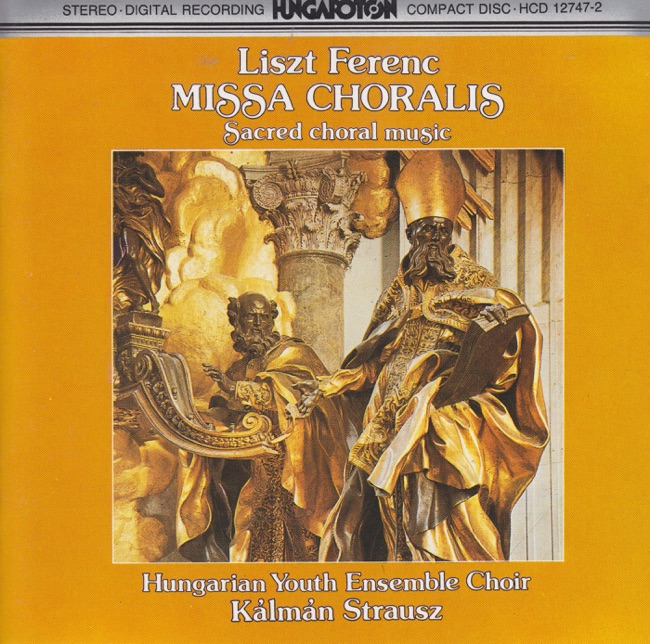
Featured Album
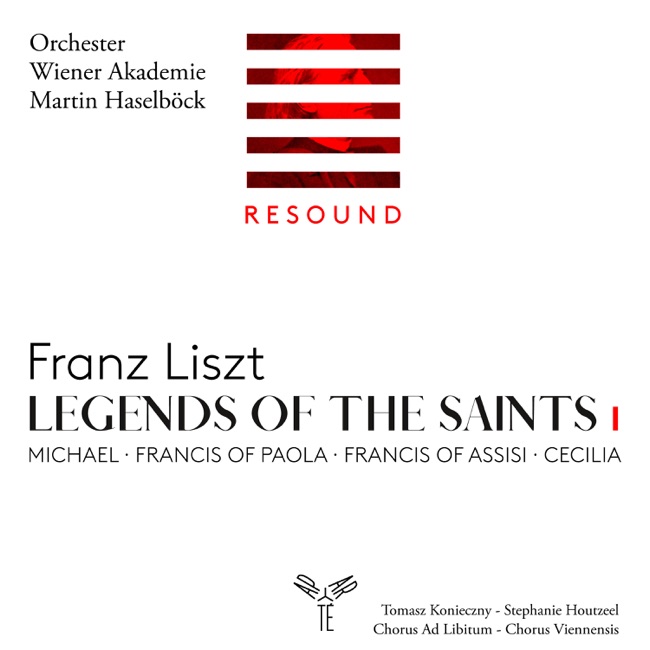
Works Info
Composer:Franz LisztGenre:ChoralStyle:CantataCompose Date:1879Publication Date:1880Average_duration:5:53Cantantibus organis, S. 7 is a choral work composed by Franz Liszt in 1865. The piece was premiered on August 6, 1865, at the consecration of the new organ in the Cathedral of Speyer, Germany. The work is divided into three movements, each with its own distinct characteristics. The first movement, marked "Allegro moderato," begins with a majestic organ introduction, followed by the entrance of the choir singing the Latin text "Cantantibus organis caelestis in laudibus." The music is grand and celebratory, with the choir and organ trading off melodic phrases. The movement features a fugue section, showcasing Liszt's skill in counterpoint. The movement ends with a triumphant restatement of the opening theme. The second movement, marked "Andante," is a contrast to the first. The choir sings the text "O quam suavis est, Domine, spiritus tuus," which translates to "O how sweet, Lord, is your spirit." The music is gentle and contemplative, with the choir singing in a homophonic texture. The organ provides a delicate accompaniment, with occasional flourishes adding to the overall atmosphere of peace and serenity. The final movement, marked "Allegro," returns to the celebratory mood of the first. The choir sings the text "Gloria Patri et Filio et Spiritui Sancto," which translates to "Glory to the Father and to the Son and to the Holy Spirit." The music is lively and energetic, with the choir and organ trading off melodic phrases once again. The movement features a fugue section, similar to the first movement, but with a more complex and intricate texture. The piece ends with a grand restatement of the opening theme, bringing the work to a triumphant conclusion. Overall, Cantantibus organis, S. 7 is a masterful choral work that showcases Liszt's skill in both composition and organ playing. The work is grand and celebratory, yet also contemplative and peaceful at times. The three movements provide a varied and engaging listening experience, with each movement showcasing a different aspect of Liszt's musical style.More....