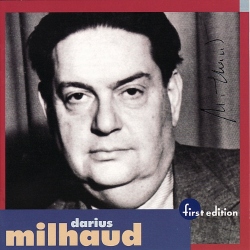
Darius Milhaud
Little Symphony, No. 6, Op. 79
Released Album
Recent Album

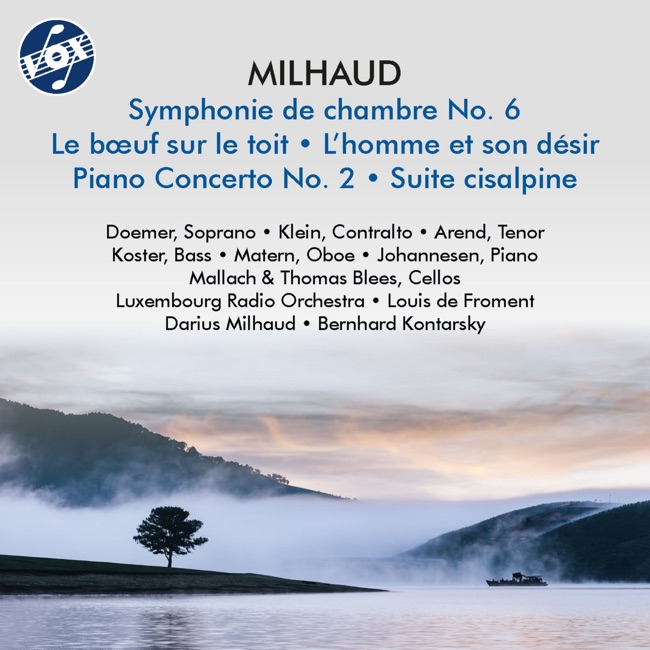
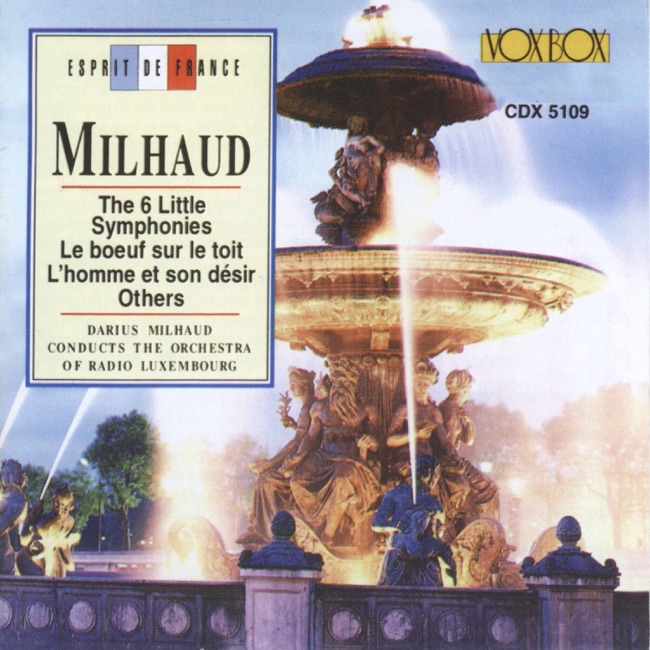
Works Info
Composer:Darius MilhaudGenre:ChoralStyle:SymphonyCompose Date:1923Publication Date:1956Average_duration:7:32Darius Milhaud's 'Little Symphony, No. 6, Op. 79' is a chamber work for 12 instruments, composed in 1922. The piece premiered on May 18, 1922, in Paris, with the composer conducting. The symphony consists of three movements, each with its own distinct character and style. The first movement, marked "Allegro," is a lively and energetic piece that features a playful and syncopated melody. The music is characterized by its use of polytonality, a technique that Milhaud was known for, in which multiple keys are used simultaneously. The movement is structured in a sonata form, with a clear exposition, development, and recapitulation. The second movement, marked "Lento," is a slow and melancholic piece that features a haunting melody played by the strings. The music is characterized by its use of dissonance and chromaticism, which creates a sense of tension and unease. The movement is structured in a theme and variations form, with the main melody being varied and developed throughout. The third movement, marked "Allegro," is a fast and lively piece that features a driving rhythm and a playful melody. The music is characterized by its use of syncopation and irregular meters, which creates a sense of excitement and unpredictability. The movement is structured in a rondo form, with the main melody returning multiple times throughout. Overall, Milhaud's 'Little Symphony, No. 6, Op. 79' is a vibrant and dynamic work that showcases the composer's unique style and use of polytonality. The piece is notable for its use of contrasting moods and styles, as well as its inventive use of form and structure.More....