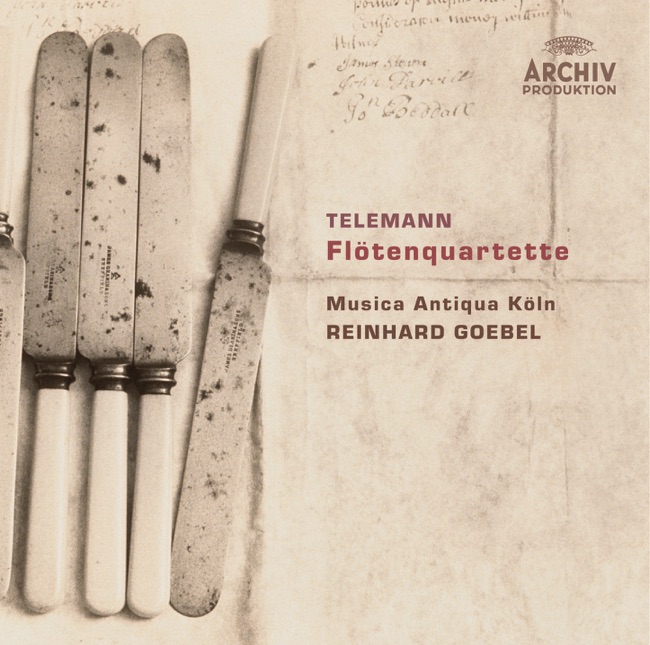
Georg Philipp Telemann
Quartet in B flat major, TWV 43:B2
Released Album
Recent Album


Works Info
Composer:Georg Philipp TelemannGenre:ChamberStyle:Chamber MusicCompose Date:before 1768Average_duration:6:20Movement_count:3Movement ....Georg Philipp Telemann's Quartet in B flat major, TWV 43:B2, is a chamber music piece composed for four instruments: two violins, viola, and basso continuo. The piece was composed in the Baroque era, around 1730, and premiered in Hamburg, Germany. The quartet consists of four movements: an opening Vivace, a graceful Largo, a lively Allegro, and a final Presto. The first movement, Vivace, is characterized by its energetic and lively tempo, with the violins leading the melody and the viola and basso continuo providing the harmonic support. The second movement, Largo, is a slow and graceful piece, with the violins and viola playing a delicate and expressive melody over a simple bass line. The third movement, Allegro, is a fast and playful piece, with the instruments trading off the melody and playing in unison at times. The final movement, Presto, is a lively and energetic piece, with the instruments playing in a fast and intricate counterpoint. The quartet is typical of Telemann's style, with its clear and concise melodies, lively rhythms, and intricate counterpoint. The piece also showcases Telemann's skill in writing for multiple instruments, with each instrument having its own unique role in the ensemble. The quartet is also notable for its use of the basso continuo, a common feature of Baroque music in which a keyboard instrument (such as a harpsichord or organ) provides the harmonic support for the other instruments. Overall, Telemann's Quartet in B flat major, TWV 43:B2, is a charming and lively piece of chamber music that showcases the composer's skill in writing for multiple instruments and his mastery of the Baroque style.More....
Works Music
Released Music