Dario Castello
Sonata nona in D major (Sonata Concertate I/9)
Released Album
Recent Album
Featured Album
Works Info
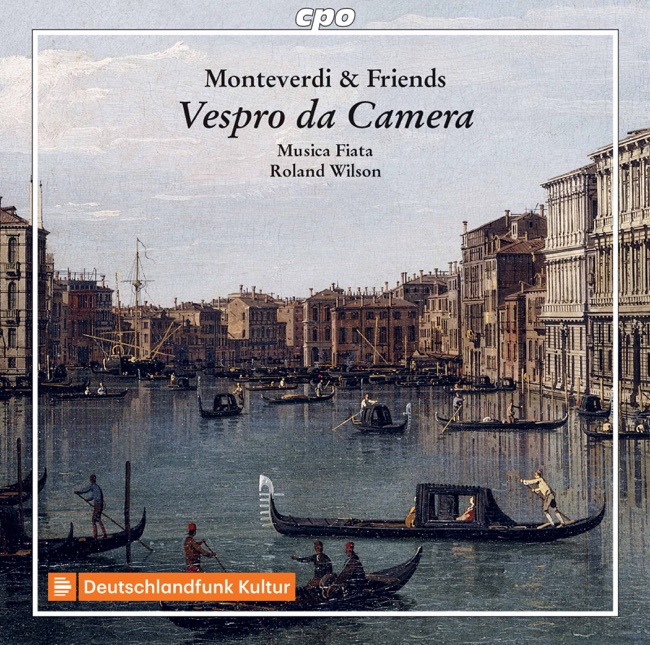
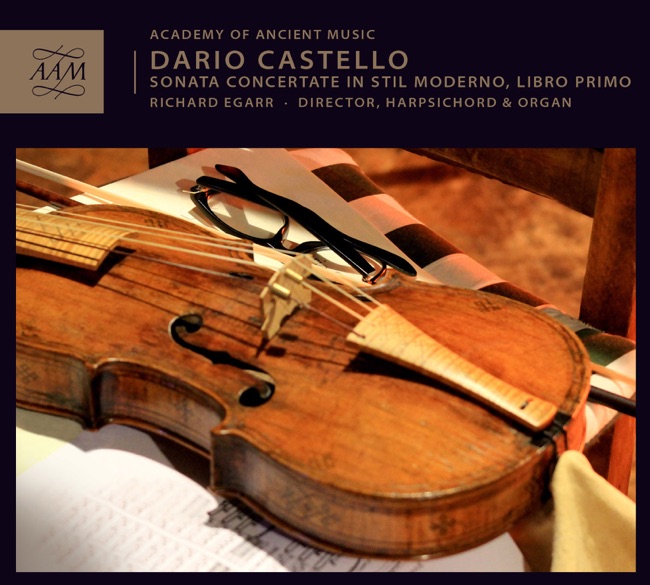
Composer:Dario CastelloGenre:ChamberStyle:Chamber MusicCompose Date:1621Publication Date:1621Average_duration:6:33Dario Castello's 'Sonata nona in D major (Sonata Concertate I/9)' is a Baroque instrumental piece that was composed in the early 17th century. The exact date of composition is unknown, but it is believed to have been written between 1621 and 1629. The piece was first performed in Venice, Italy, where Castello was a prominent musician and composer. The 'Sonata nona' is a multi-movement work that consists of six sections, or sonatas. Each sonata is characterized by a different tempo, rhythm, and melody, and they are all connected by a common theme. The first sonata is a lively and energetic piece that sets the tone for the rest of the work. The second sonata is slower and more contemplative, with a haunting melody that is repeated throughout the movement. The third sonata is a lively dance, with a catchy melody that is sure to get your toes tapping. The fourth sonata is a slow and mournful piece, with a beautiful melody that is full of emotion. The fifth sonata is a fast and furious dance, with a complex rhythm that will keep you on your toes. The final sonata is a triumphant and celebratory piece, with a joyful melody that brings the work to a satisfying conclusion. One of the most notable characteristics of the 'Sonata nona' is its use of contrasting textures and dynamics. Castello employs a wide range of instrumental colors and timbres, from the bright and piercing sound of the trumpet to the rich and resonant tones of the viola da gamba. He also uses a variety of dynamic markings, from the soft and delicate pianissimo to the loud and powerful fortissimo. These contrasts create a sense of drama and excitement that is characteristic of Baroque music. Another notable characteristic of the 'Sonata nona' is its use of improvisation. Castello was known for his skill as an improviser, and he often left sections of his compositions open for performers to add their own embellishments and variations. This improvisational element adds a sense of spontaneity and creativity to the work, and allows performers to put their own stamp on the music. Overall, Dario Castello's 'Sonata nona in D major (Sonata Concertate I/9)' is a vibrant and dynamic work that showcases the composer's skill as a musician and his mastery of Baroque style. Its lively rhythms, catchy melodies, and contrasting textures make it a joy to listen to, and its improvisational elements make it a favorite among performers.More....
Works Music
Released Music
Featured Music
1
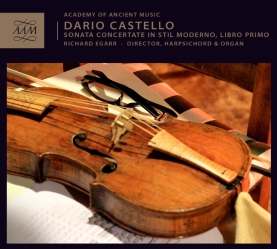
Ninth Sonata in D major (Sonata Concertate I/9)
Sonata nona for cornetto, violin I and dulcian
6:47