Giovanni Pierluigi da Palestrina
Accepit Jesus (from Motets Book III)
Released Album
Recent Album
Works Info
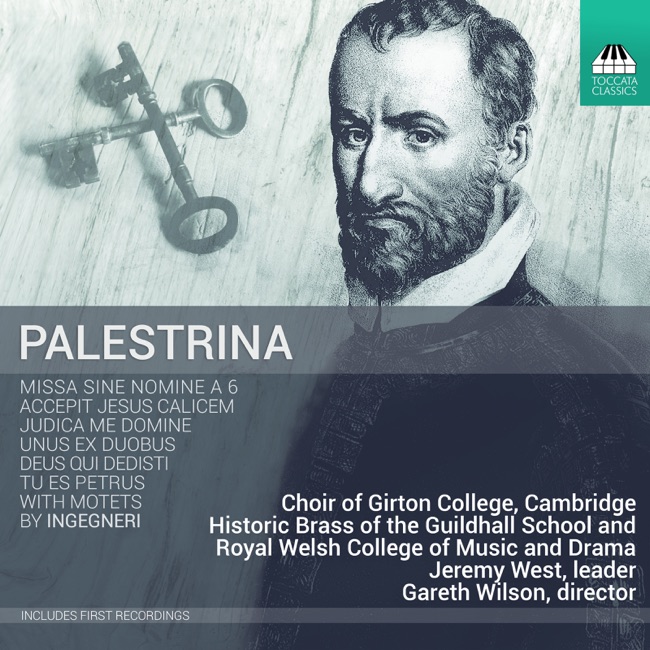
Composer:Giovanni Pierluigi da PalestrinaGenre:ChoralCompose Date:1575Average_duration:06:04Giovanni Pierluigi da Palestrina was a renowned Italian composer of the Renaissance period, known for his sacred music compositions. One of his most famous works is the motet "Accepit Jesus," which is part of his Motets Book III. The motet "Accepit Jesus" was composed in the late 16th century, during Palestrina's tenure as the maestro di cappella at the Basilica of St. John Lateran in Rome. It is believed to have been written around 1584-1585, although the exact date is uncertain. The motet is written for four voices (SATB) and is divided into two movements. The first movement is a setting of the Gospel of John, chapter 9, verses 6-11, which tells the story of Jesus healing a blind man. The second movement is a setting of the Magnificat antiphon for the Feast of the Assumption of the Virgin Mary, "Assumpta est Maria in caelum." The first movement of "Accepit Jesus" is characterized by its gentle, flowing melody and its use of imitative polyphony. The voices enter one by one, each taking up the same melodic material in turn. The harmonies are simple and diatonic, with occasional dissonances used for expressive effect. The text is set with great sensitivity to its meaning, with the music rising and falling in response to the words. The second movement of "Accepit Jesus" is more complex, with a more elaborate melody and a greater use of chromaticism. The voices are more independent, with each part taking on its own melodic line. The harmonies are richer and more varied, with frequent use of suspensions and other dissonances. The text is set with great reverence, with the music building to a climax on the words "et in saecula saeculorum" (and forever and ever). Overall, "Accepit Jesus" is a beautiful and expressive motet that showcases Palestrina's mastery of polyphonic composition. Its gentle melodies, sensitive text-setting, and rich harmonies make it a beloved work of the Renaissance repertoire.More....
Works Music
Released Music