Philip van Wilder
Pater noster
Released Album
Recent Album
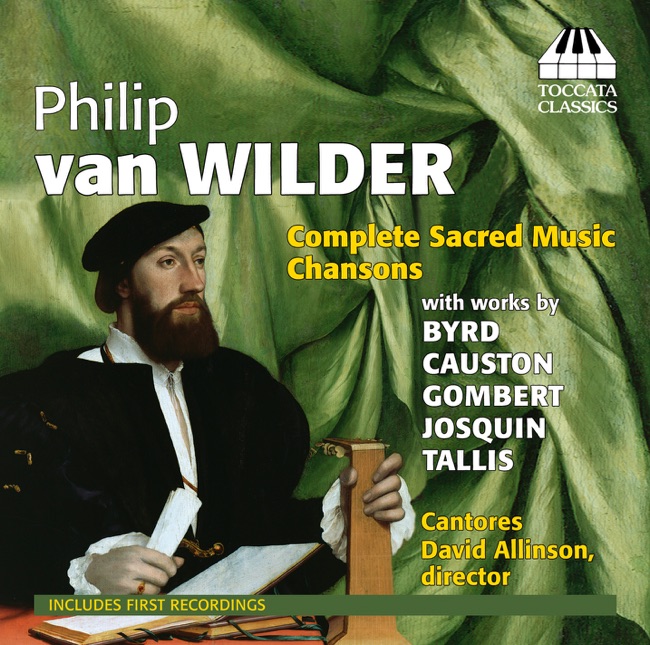
Featured Album
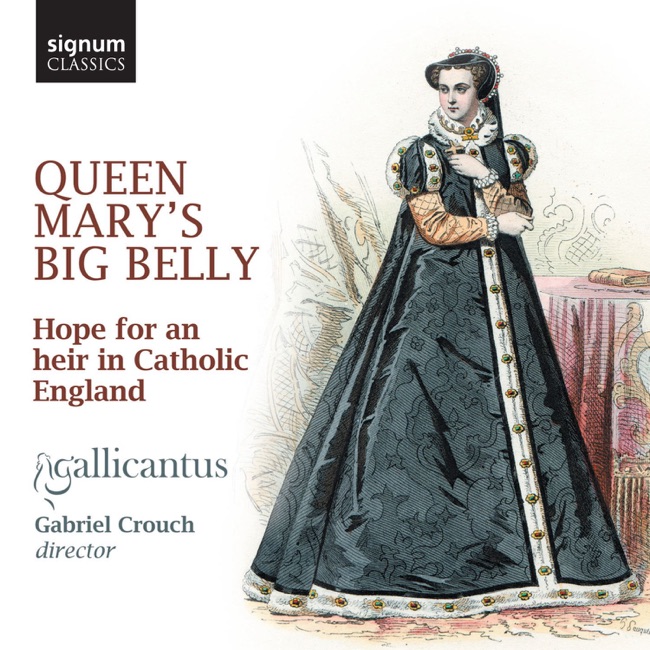
Works Info
Composer:Philip van WilderGenre:ChoralAverage_duration:3:29Philip van Wilder was a Flemish composer who lived in the 16th century. He was known for his sacred music, and one of his most famous works is the "Pater noster," a setting of the Lord's Prayer. The "Pater noster" was composed in the late 16th century, and it premiered in the chapel of the Archduke Albert of Austria in Brussels. The work is written for four voices, and it is a prime example of the polyphonic style of the Renaissance. The "Pater noster" is divided into six movements, each of which corresponds to a different phrase of the Lord's Prayer. The first movement is a simple and straightforward setting of the opening phrase, "Our Father, who art in heaven." The second movement is more complex, with the voices weaving in and out of each other to create a rich and intricate texture. The third movement is a setting of the phrase "Hallowed be thy name," and it is characterized by its use of imitation and repetition. The fourth movement, "Thy kingdom come," is a lively and energetic setting that features a lot of rhythmic variation. The fifth movement, "Give us this day our daily bread," is a more subdued and contemplative setting, with the voices blending together to create a sense of unity and harmony. The final movement, "And lead us not into temptation," is a powerful and dramatic setting that builds to a climactic conclusion. Overall, the "Pater noster" is a beautiful and complex work that showcases Philip van Wilder's skill as a composer. Its use of polyphony and intricate harmonies make it a prime example of Renaissance sacred music, and it remains a popular piece in the choral repertoire to this day.More....
Works Music
Released Music
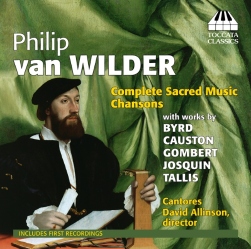
Featured Music