Nino Rota
Allegro vivace
Released Album
Recent Album
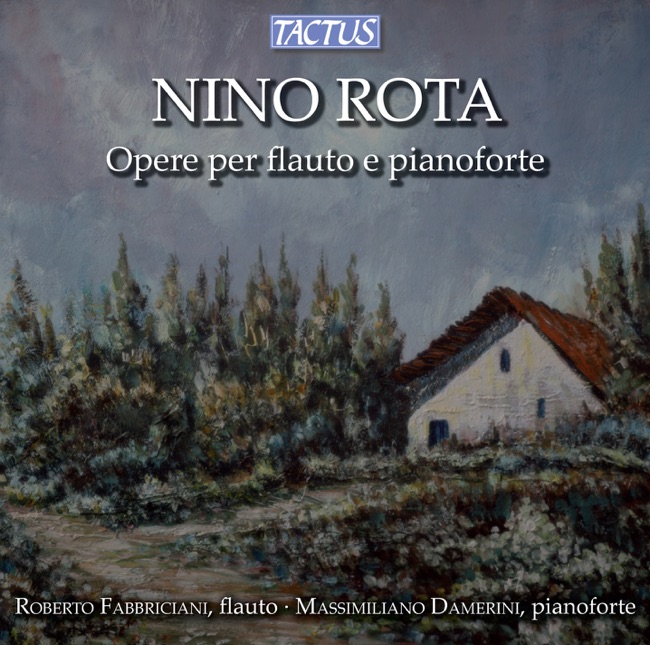
Featured Album
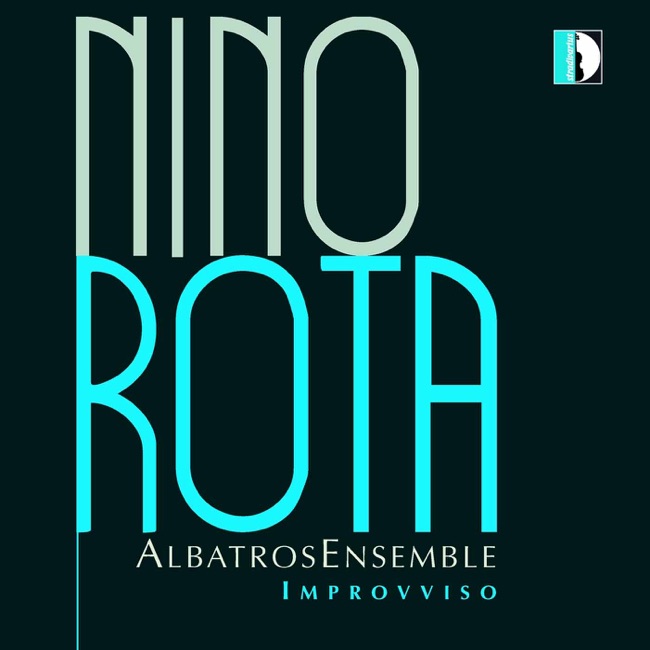
Works Info
Composer:Nino RotaGenre:ChamberStyle:Chamber MusicCompose Date:1971Average_duration:1:39'Allegro vivace' is a lively and energetic piece of music composed by Nino Rota. It was composed in the 20th century and premiered in 1958. The piece is a part of Rota's larger work, the Concerto per Archi, which is a concerto for string orchestra. The 'Allegro vivace' movement is the second movement of the Concerto per Archi. It is characterized by its fast tempo and lively rhythm. The piece is written in a sonata form, which is a traditional structure used in classical music. The movement begins with a lively and energetic theme played by the violins. This theme is then repeated and developed throughout the movement. The 'Allegro vivace' movement is known for its use of syncopation, which is a rhythmic technique that involves accenting the off-beat. This creates a sense of tension and excitement in the music. The movement also features a number of dynamic changes, with the music alternating between loud and soft passages. One of the most notable characteristics of the 'Allegro vivace' movement is its use of counterpoint. Counterpoint is a technique where two or more melodies are played simultaneously, creating a complex and layered sound. Rota uses counterpoint to great effect in this movement, with the different sections of the orchestra playing off each other in a lively and playful way. Overall, the 'Allegro vivace' movement is a lively and energetic piece of music that showcases Rota's skill as a composer. Its use of syncopation, dynamic changes, and counterpoint make it a challenging and exciting piece for string orchestras to perform.More....
Works Music