Mikalojus Konstantinas Ciurlionis
Prelude VL 330
Released Album
Recent Album
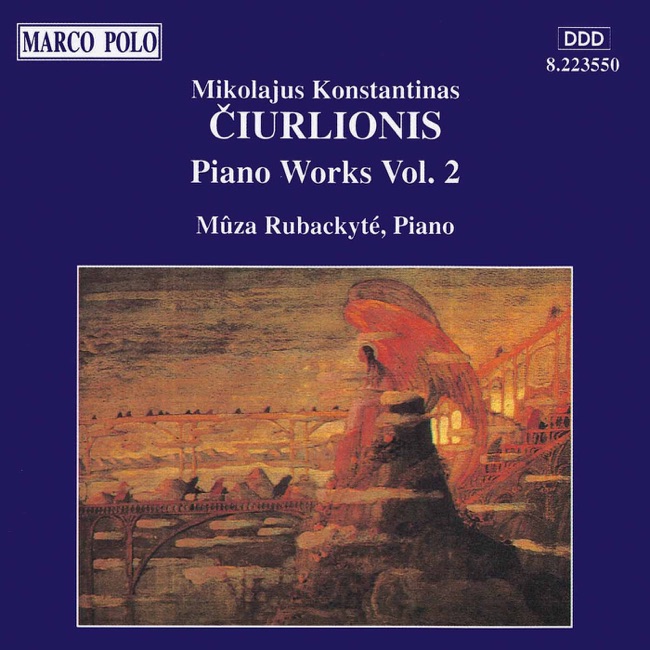
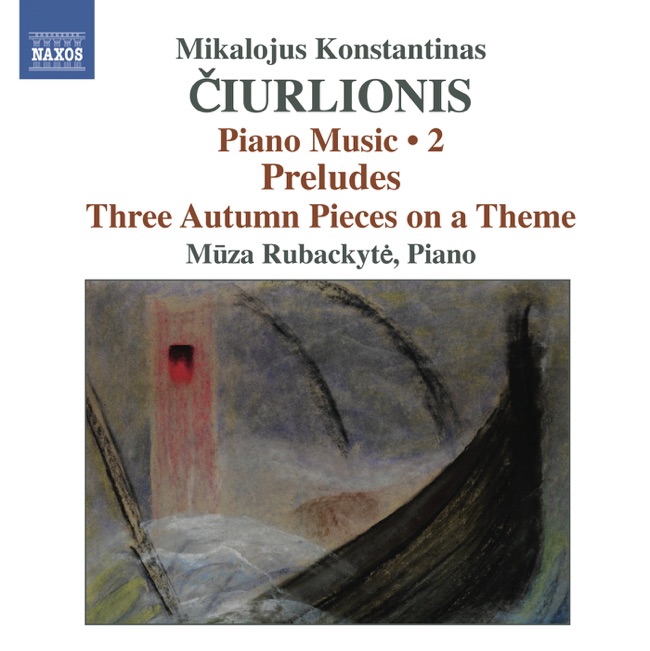
Works Info
Composer:Mikalojus Konstantinas CiurlionisGenre:KeyboardStyle:PreludeAverage_duration:1:24Mikalojus Konstantinas Ciurlionis was a Lithuanian composer and painter who lived from 1875 to 1911. He is considered one of the most important figures in Lithuanian cultural history, and his work is known for its unique blend of Romanticism and Symbolism. One of Ciurlionis' most famous compositions is the Prelude VL 330, which he wrote in 1908. The piece is part of a larger collection of preludes that Ciurlionis composed during his lifetime, and it is considered one of his most significant works. The Prelude VL 330 premiered in 1909 in St. Petersburg, Russia, where Ciurlionis was living at the time. The piece is divided into three movements, each of which has its own distinct characteristics. The first movement of the Prelude VL 330 is marked "Allegro moderato" and is characterized by its energetic and lively tempo. The movement is built around a series of ascending and descending arpeggios, which create a sense of tension and release throughout the piece. The movement ends with a dramatic flourish, which sets the stage for the more introspective second movement. The second movement of the Prelude VL 330 is marked "Andante" and is much slower and more contemplative than the first. The movement is built around a simple melody that is repeated and developed throughout the piece. The movement is notable for its use of chromaticism, which creates a sense of ambiguity and uncertainty in the music. The third and final movement of the Prelude VL 330 is marked "Allegro con fuoco" and is characterized by its fiery and passionate tempo. The movement is built around a series of rapid arpeggios and virtuosic runs, which create a sense of excitement and energy in the music. The movement ends with a triumphant flourish, which brings the piece to a thrilling conclusion. Overall, the Prelude VL 330 is a powerful and evocative work that showcases Ciurlionis' unique blend of Romanticism and Symbolism. The piece is notable for its use of arpeggios, chromaticism, and virtuosic runs, which create a sense of tension, ambiguity, and excitement throughout the music.More....
Works Music