Claude-Bénigne Balbastre
Pygmalion (after Rameau)
Released Album
Recent Album
Works Info
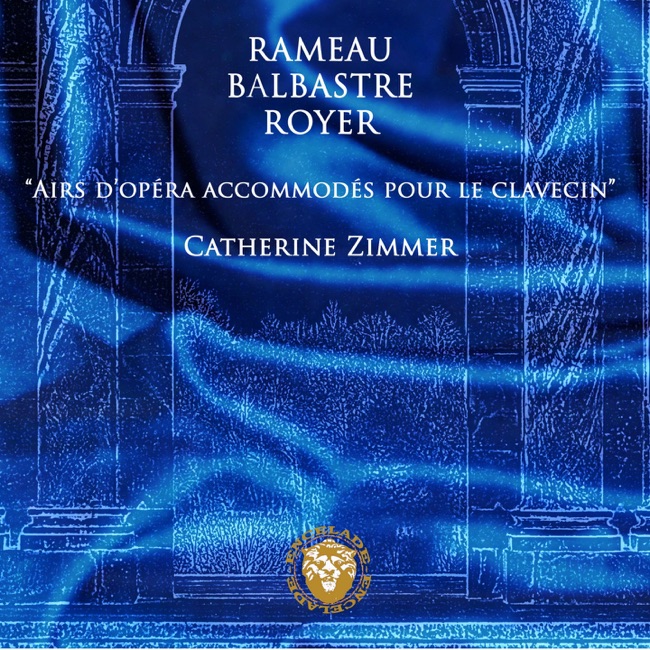
Composer:Claude-Bénigne BalbastreGenre:KeyboardStyle:KeyboardClaude-Bénigne Balbastre's "Pygmalion (after Rameau)" is a harpsichord suite composed in the mid-18th century. The exact date of composition is unknown, but it is believed to have been written around 1754-1755. The suite is based on Jean-Philippe Rameau's opera "Pygmalion," which premiered in 1748. The suite consists of six movements, each of which is named after a character or scene from the opera. The first movement, "Ouverture," is a lively and energetic piece that sets the tone for the rest of the suite. The second movement, "Air pour les Amours," is a delicate and graceful piece that features a simple melody accompanied by arpeggiated chords. The third movement, "Air pour les Zéphirs," is a more complex piece that features intricate ornamentation and a lively, dance-like rhythm. The fourth movement, "Air pour les Démons," is a dark and brooding piece that features dissonant harmonies and a menacing, almost sinister melody. The fifth movement, "Air pour les Bergers et les Bergères," is a pastoral piece that features a simple, rustic melody accompanied by gentle, flowing arpeggios. The final movement, "Air pour les Furies," is a dramatic and intense piece that features fast, virtuosic runs and dramatic, sweeping chords. Overall, "Pygmalion (after Rameau)" is a masterful example of Baroque harpsichord music. Balbastre's use of ornamentation, complex harmonies, and intricate rhythms make the suite a challenging and rewarding piece for both performers and listeners. The suite's connection to Rameau's opera adds an extra layer of depth and meaning to the music, making it a fascinating and engaging work for anyone interested in Baroque music.More....