Joan Baptista Comes
Quid hoc Sacramento
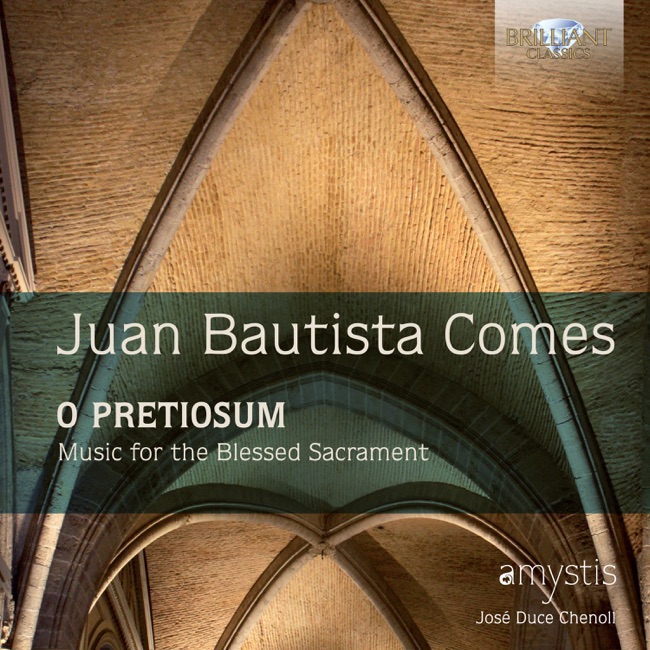
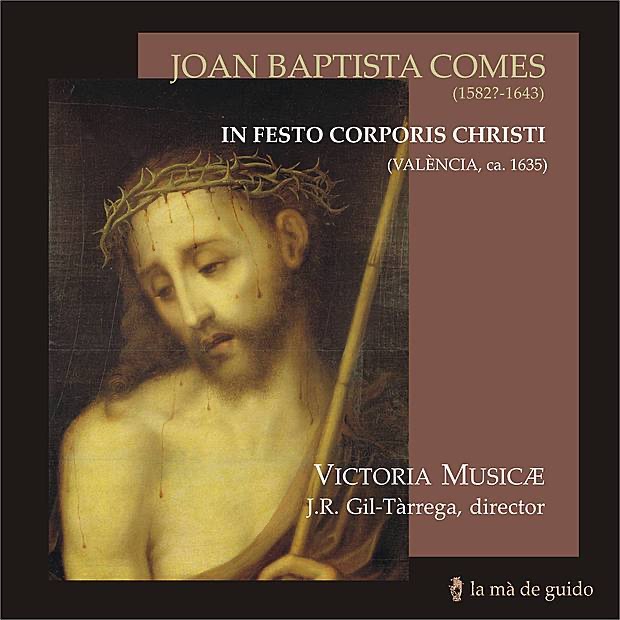
Released Album
Recent Album
Works Info
Composer:Joan Baptista ComesGenre:ChoralStyle:Motet"Quid hoc Sacramento" is a sacred choral work composed by Joan Baptista Comes, a Spanish composer of the Renaissance period. The piece was composed in the late 16th century and premiered in Valencia, Spain. It is a polyphonic composition for four voices, with a duration of approximately five minutes. The piece is divided into three movements, each with its own distinct characteristics. The first movement is a solemn and contemplative setting of the text "Quid hoc Sacramento mirabili," which translates to "What is this wondrous sacrament?" The music is characterized by a slow and steady tempo, with long, sustained notes and rich harmonies. The voices are often in close harmony, creating a sense of unity and reverence. The second movement is a lively and joyful setting of the text "O sacrum convivium," which translates to "O sacred banquet." The music is characterized by a faster tempo, with lively rhythms and intricate counterpoint. The voices are often in dialogue with each other, creating a sense of celebration and exultation. The final movement is a solemn and contemplative setting of the text "Panis angelicus," which translates to "Bread of angels." The music is characterized by a slow and steady tempo, with long, sustained notes and rich harmonies. The voices are often in close harmony, creating a sense of unity and reverence. Overall, "Quid hoc Sacramento" is a beautiful and expressive choral work that showcases the composer's skill in polyphonic composition. The piece is characterized by its rich harmonies, intricate counterpoint, and sense of reverence and celebration. It remains a beloved work in the choral repertoire to this day.More....