Henry Purcell
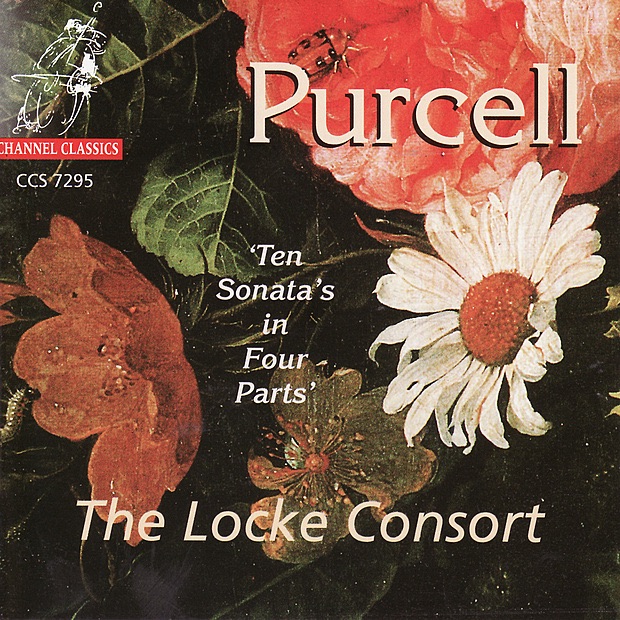
Sonatas (10) in 4 parts, Z. 802-811
Works Info
Composer:Henry PurcellGenre:ChamberStyle:SonataCompose Date:ca. 1680Average_duration:73:07Henry Purcell's 'Sonatas (10) in 4 parts, Z. 802-811' is a collection of instrumental works that were composed in the late 17th century. The exact date of composition is not known, but it is believed to have been written between 1683 and 1687. The sonatas were first published in 1697, after Purcell's death, and were dedicated to King William III. The 'Sonatas (10) in 4 parts' consist of ten individual pieces, each with its own unique character and style. The sonatas are written for four instruments - two violins, bass viol, and harpsichord - and are divided into three or four movements. The movements are typically structured as follows: a slow introduction, a fast and lively main section, a slow and expressive middle section, and a final fast and lively section. The sonatas are notable for their use of counterpoint, which is a technique that involves the interweaving of multiple melodic lines. Purcell's use of counterpoint creates a rich and complex texture that is both harmonically interesting and musically satisfying. The sonatas also feature a wide range of musical styles, including dance forms such as the chaconne, sarabande, and gigue, as well as more abstract forms such as the fantasia and prelude. One of the most famous sonatas in the collection is Sonata No. 6 in G minor, Z. 807. This sonata is notable for its use of chromaticism, which is a technique that involves the use of notes outside of the traditional diatonic scale. The sonata also features a lively and energetic final movement that showcases Purcell's skill as a composer. Overall, Purcell's 'Sonatas (10) in 4 parts' is a masterful collection of instrumental works that showcases the composer's skill and creativity. The sonatas are notable for their use of counterpoint, their wide range of musical styles, and their complex and satisfying musical textures. They remain an important part of the Baroque repertoire and continue to be performed and enjoyed by musicians and audiences around the world.More....