Charles Avison
Concerto in 4 parts No. 7 in E flat major, Op. 9/7
Released Album
Recent Album
Works Info
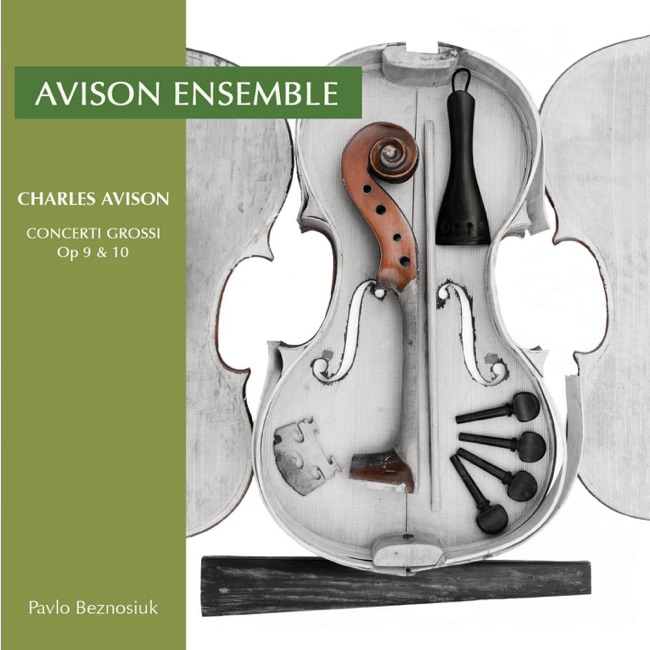
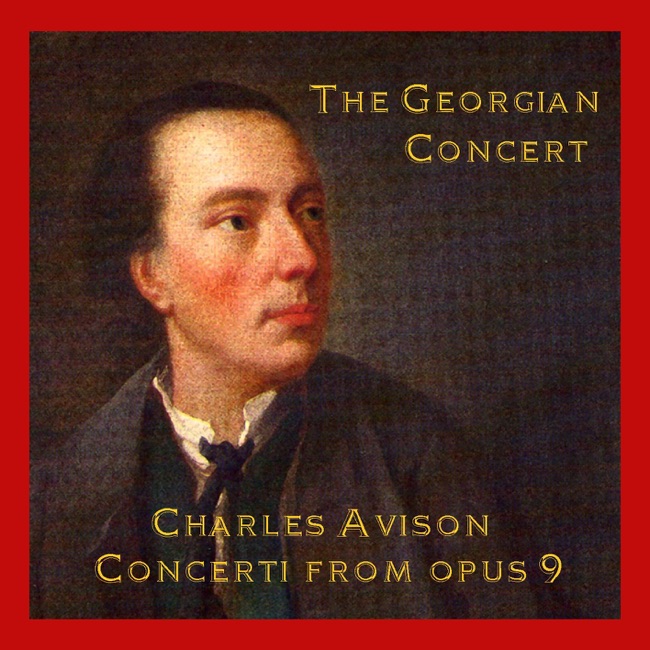
Composer:Charles AvisonGenre:ChamberStyle:Concerto GrossoCompose Date:1766Average_duration:6:36Movement_count:4Movement ....The Concerto in 4 parts No. 7 in E flat major, Op. 9/7, was composed by Charles Avison, an English composer and organist, in the mid-18th century. The concerto was first premiered in Newcastle upon Tyne in 1766, and it is part of a collection of twelve concertos that Avison composed based on the works of Domenico Scarlatti. The concerto is divided into three movements, with the first movement marked as Allegro, the second as Andante, and the third as Allegro. The concerto is scored for four solo instruments, two violins, viola, and cello, accompanied by a string orchestra. The first movement of the concerto is characterized by its lively and energetic melody, with the solo instruments taking turns to play the main theme. The second movement, Andante, is a slow and lyrical piece, with the solo instruments playing a more prominent role. The third movement, Allegro, is a fast and lively piece, with the solo instruments once again taking turns to play the main theme. One of the notable characteristics of Avison's Concerto in 4 parts No. 7 is its use of counterpoint, a technique that involves the interweaving of multiple melodies to create a complex and harmonious sound. Avison's use of counterpoint in this concerto is particularly evident in the second movement, where the solo instruments play a series of intricate and interweaving melodies. Overall, Avison's Concerto in 4 parts No. 7 in E flat major, Op. 9/7, is a fine example of mid-18th century English music, characterized by its lively melodies, intricate counterpoint, and skillful use of solo instruments.More....
Works Music