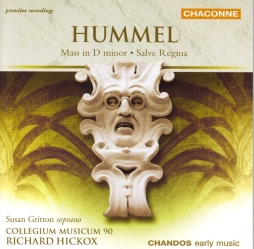
Johann Nepomuk Hummel
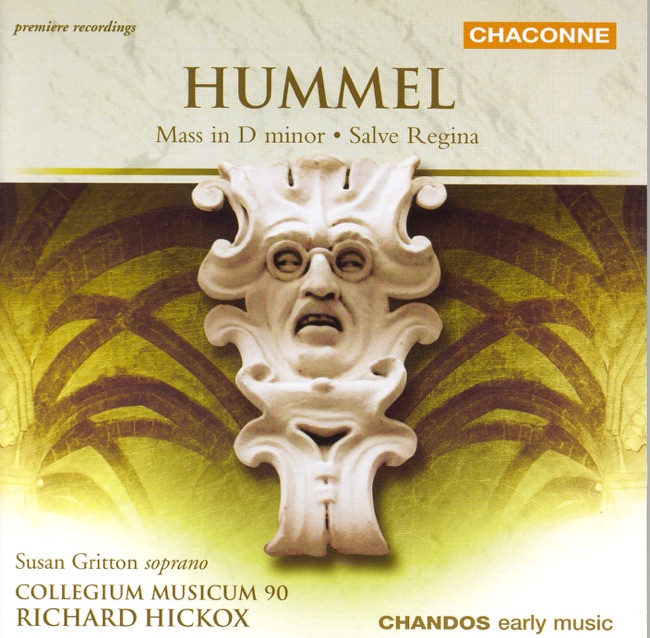
Mass in D minor, WoO 13, S. 67
Works Info
Composer:Johann Nepomuk HummelGenre:ChoralStyle:ChoralCompose Date:Aug 1805Average_duration:46:07Movement_count:12Movement ....Johann Nepomuk Hummel's Mass in D minor, WoO 13, S. 67, was composed in 1805 and premiered in the same year in Vienna. The mass is divided into six movements: Kyrie, Gloria, Credo, Sanctus, Benedictus, and Agnus Dei. The Kyrie begins with a solemn and prayerful choral introduction, followed by a fugue that showcases Hummel's skill in counterpoint. The Gloria is a joyful and exuberant movement, with a lively choral section and a solo quartet that sings the "Laudamus te" section. The Credo is the longest movement of the mass, with a variety of musical styles and moods. It includes a fugue on the words "Et incarnatus est" and a triumphant choral section on "Et resurrexit." The Sanctus is a bright and celebratory movement, with a soaring choral melody and a solo quartet that sings the "Pleni sunt caeli" section. The Benedictus is a gentle and peaceful movement, with a solo quartet that sings the "Benedictus qui venit" section. The Agnus Dei is a solemn and prayerful movement, with a choral section that repeats the words "Dona nobis pacem" (grant us peace) three times. Hummel's Mass in D minor is characterized by its rich harmonies, intricate counterpoint, and expressive melodies. It is a masterful example of the classical style, with clear influences from Mozart and Haydn. The mass is also notable for its use of solo quartet sections, which add a sense of intimacy and personal devotion to the larger choral sections. Overall, Hummel's Mass in D minor is a beautiful and moving work that showcases the composer's skill and creativity. Its timeless themes of faith, hope, and peace continue to resonate with audiences today.More....
Works Music
Released Music