Edward MacDowell
Du libst mich micht, Op. 11/2
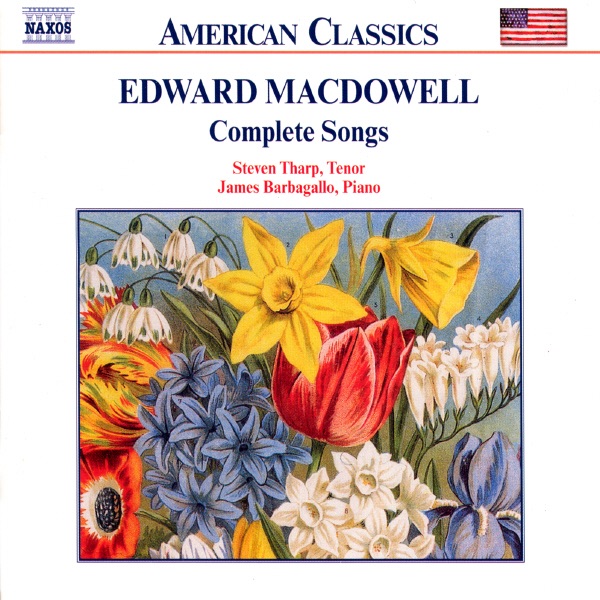
Released Album
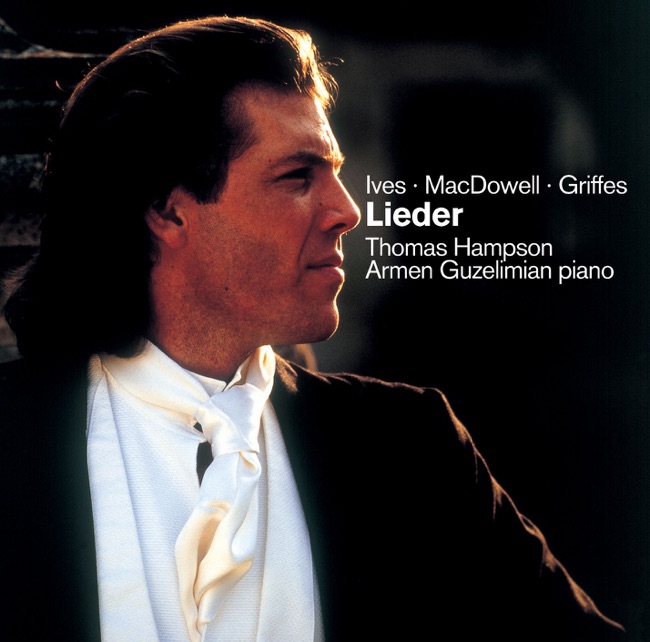
Recent Album
Works Info
Composer:Edward MacDowellGenre:VocalStyle:Vocal MusicAverage_duration:1:18"Du bist mich nicht, Op. 11/2" is a song composed by Edward MacDowell, an American composer and pianist. The song was composed in 1884 and premiered the same year. It is part of a collection of six songs, Op. 11, which were composed during MacDowell's time in Germany. The song is written for voice and piano and has a duration of approximately three minutes. It is in the key of F minor and is marked "Andante con moto" (moderately slow with motion). The song is in a simple ABA form, with the A section being repeated at the end. The first movement of the song begins with a melancholic piano introduction, which sets the mood for the entire piece. The vocal line enters with the first verse, which is sung in a quiet and introspective manner. The melody is simple and repetitive, with a descending line that emphasizes the sadness of the text. The piano accompaniment is sparse, with occasional chords that provide support for the vocal line. The second movement of the song is a contrasting section, marked by a change in key and tempo. The vocal line becomes more agitated, with a faster tempo and a more complex melody. The piano accompaniment becomes more active, with arpeggios and runs that add to the sense of urgency in the music. This section is relatively short and leads directly back to the A section. The final movement of the song is a repeat of the A section, with the same melody and text as the beginning of the piece. However, the mood has changed, and the vocal line is now more expressive and passionate. The piano accompaniment is also more active, with a fuller sound that supports the vocal line. The song ends with a quiet and introspective coda, which brings the piece to a gentle close. Overall, "Du bist mich nicht, Op. 11/2" is a beautiful and poignant song that showcases MacDowell's skill as a composer. The simple melody and sparse accompaniment create a sense of melancholy that is perfectly suited to the text. The contrasting section adds interest and variety to the piece, while the final section brings the song to a satisfying conclusion.More....
Works Music