Henry Purcell
Blessed is he whose unrighteousness is forgiven, Z. 8
Released Album
Recent Album
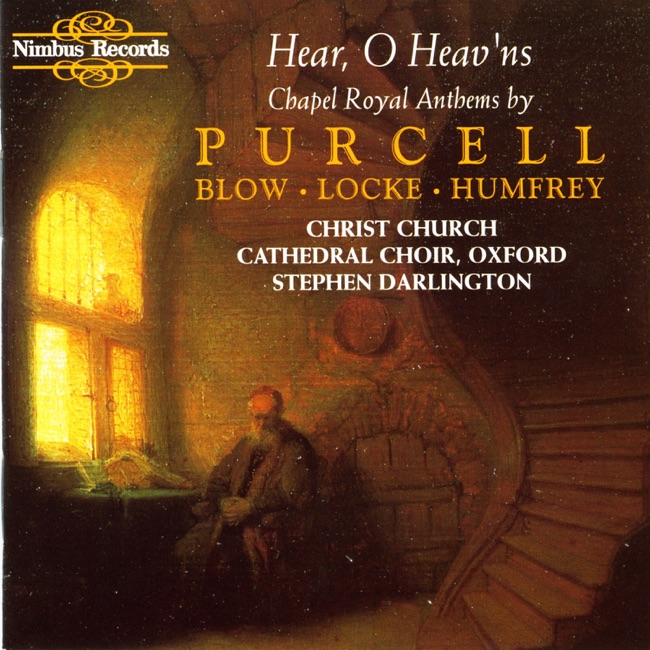
Featured Album
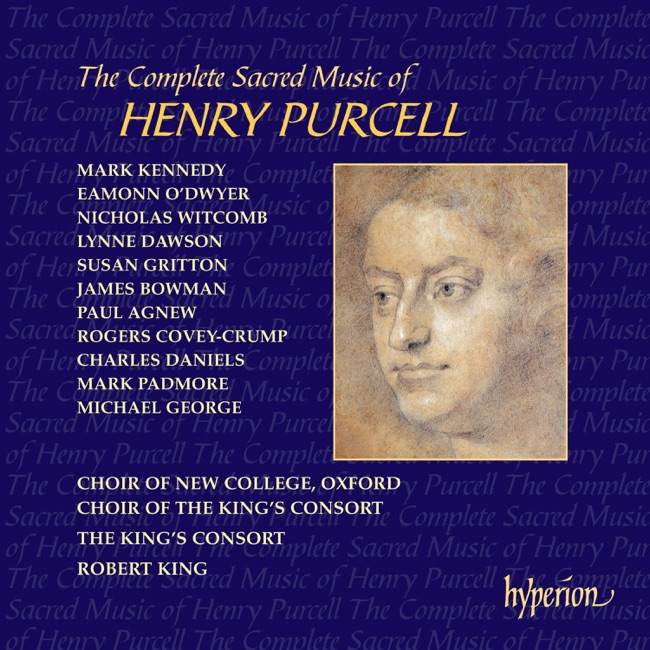
Works Info
Composer:Henry PurcellGenre:ChoralStyle:AnthemCompose Date:ca. 1681Average_duration:8:10Henry Purcell's "Blessed is he whose unrighteousness is forgiven, Z. 8" is a sacred anthem composed in the late 17th century. The piece was likely composed in the early 1680s, during Purcell's tenure as organist at Westminster Abbey. It was first performed at a service in the Abbey, and later published in the composer's collection of sacred music, Harmonia Sacra. The anthem is divided into three movements, each with its own distinct character. The first movement is a slow and solemn setting of Psalm 32:1-2, "Blessed is he whose unrighteousness is forgiven." The music is characterized by long, sustained notes and rich harmonies, creating a sense of reverence and awe. The second movement is a lively and joyful setting of Psalm 32:3-5, "When I kept silence, my bones waxed old." The music is marked by quick, rhythmic passages and lively counterpoint, reflecting the exuberance of the psalmist's confession and repentance. The final movement returns to the solemn mood of the opening, with a setting of Psalm 32:6-7, "For this shall every one that is godly pray unto thee." The music is marked by a sense of longing and supplication, with the choir pleading for God's mercy and guidance. Throughout the anthem, Purcell's mastery of harmony and counterpoint is on full display. The music is rich and complex, with intricate vocal lines weaving in and out of each other to create a sense of depth and texture. At the same time, the music is always in service of the text, with each word and phrase given its own unique musical treatment. Overall, "Blessed is he whose unrighteousness is forgiven, Z. 8" is a powerful and moving example of Purcell's sacred music. Its combination of solemnity and joy, reverence and exuberance, makes it a fitting expression of the psalmist's journey from sin to redemption.More....
Works Music