Camille Saint-Saëns
Valse langoureuse, Op. 120
Released Album
Recent Album
-
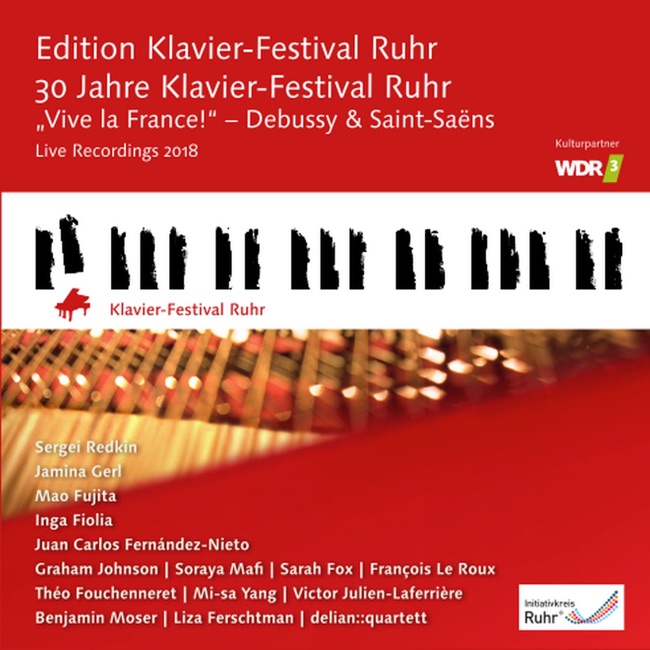 Various ArtistsMay 17, 2019
 -
Works Info
Composer:Camille Saint-SaënsGenre:KeyboardStyle:KeyboardCompose Date:1903Publication Date:1903Average_duration:4:44Camille Saint-Saëns was a French composer, pianist, and organist who lived from 1835 to 1921. He was a prolific composer who wrote in a variety of genres, including opera, symphonies, chamber music, and solo piano works. One of his lesser-known works is the "Valse langoureuse, Op. 120," a solo piano piece that was composed in 1912. The "Valse langoureuse" is a waltz in the key of A-flat major and is characterized by its languorous, dreamy quality. The piece is in three-four time and has a moderate tempo. It is marked "Très lent" (very slow) and "Très expressif" (very expressive), indicating that the performer should play with great feeling and emotion. The piece is divided into three main sections, or movements. The first section is marked "Doux et rêveur" (soft and dreamy) and features a gentle, flowing melody that is played in the right hand. The left hand provides a simple accompaniment that consists of broken chords and arpeggios. The overall effect is one of serenity and calm. The second section is marked "Plus animé" (more animated) and features a more lively melody that is played in the right hand. The left hand provides a more complex accompaniment that includes syncopated rhythms and chromatic harmonies. This section provides a contrast to the first section and adds a sense of energy and movement to the piece. The third section is a return to the first section, but with some variations. The melody is played in the left hand, while the right hand provides a more elaborate accompaniment that includes trills and runs. The tempo is slightly faster than the first section, but the overall mood is still one of tranquility and introspection. The "Valse langoureuse" was premiered by the composer himself in Paris in 1912. It was well-received by audiences and critics alike, who praised its delicate beauty and expressive qualities. The piece is not as well-known as some of Saint-Saëns' other works, but it remains a favorite among pianists and music lovers who appreciate its subtle charm and understated elegance.More....
Works Music
Released Music