Elizabeth-Claude Jacquet de la Guerre
Chaconne "L'Inconstante"
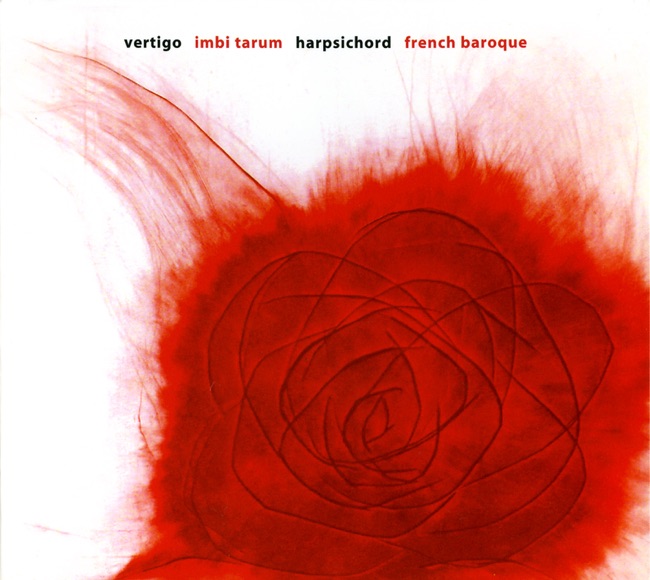
Released Album
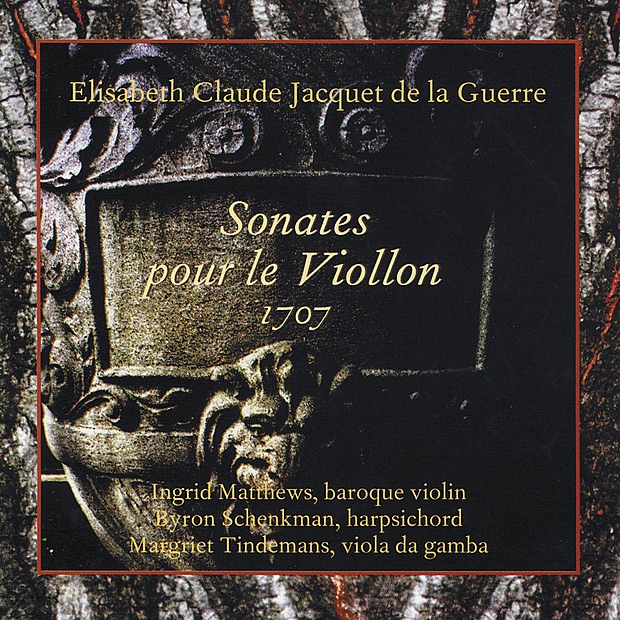
Recent Album
Works Info
Composer:Elizabeth-Claude Jacquet de la GuerreStyle:ChaconneAverage_duration:3:18Elizabeth-Claude Jacquet de la Guerre was a French composer and harpsichordist who lived from 1665 to 1729. She was a child prodigy and began performing for the French court at the age of five. She went on to become one of the most prominent composers of her time, and her works were highly regarded by her contemporaries. One of her most famous works is the Chaconne L'Inconstante, which was composed in 1707. The piece is a chaconne, which is a type of baroque dance that features a repeating harmonic progression. The chaconne was a popular form in the 17th and 18th centuries, and many composers wrote chaconnes for various instruments. The Chaconne L'Inconstante is a solo harpsichord piece that consists of a series of variations on a repeating bass line. The piece is in the key of D minor and is divided into four movements. The first movement is a slow and stately introduction that sets the mood for the piece. The second movement is a lively and energetic variation that features fast runs and intricate ornamentation. The third movement is a slower and more contemplative variation that explores the melancholy side of the chaconne. The final movement is a virtuosic tour-de-force that showcases the performer's technical skill and musicality. One of the characteristics of the Chaconne L'Inconstante is its use of chromaticism. Jacquet de la Guerre was known for her innovative use of harmony, and the Chaconne L'Inconstante is no exception. The piece features many unexpected harmonic twists and turns that keep the listener engaged and interested. Another characteristic of the piece is its use of ornamentation. Jacquet de la Guerre was a master of ornamentation, and the Chaconne L'Inconstante is full of intricate trills, mordents, and other embellishments that add to the beauty and complexity of the piece. The Chaconne L'Inconstante premiered in Paris in 1707 and was an immediate success. It was praised for its beauty, complexity, and emotional depth, and it quickly became one of Jacquet de la Guerre's most popular works. Today, it is still regarded as one of the finest examples of the chaconne form and is a staple of the harpsichord repertoire.More....
Works Music