Mikis Theodorakis
Canto General
Released Album
Recent Album
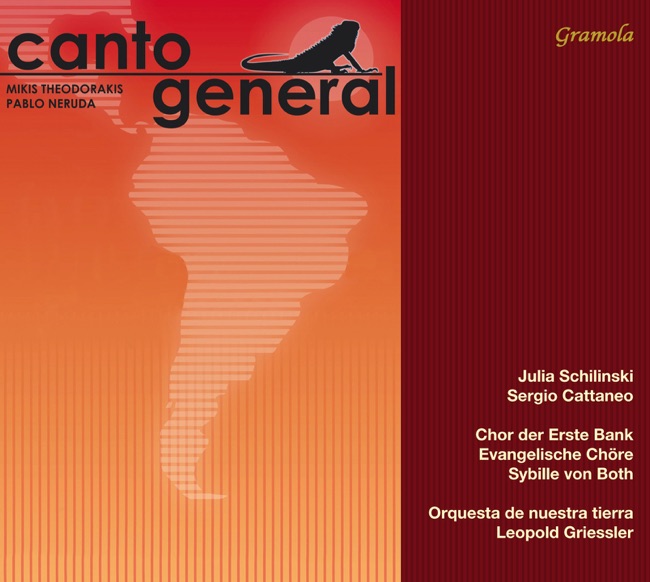
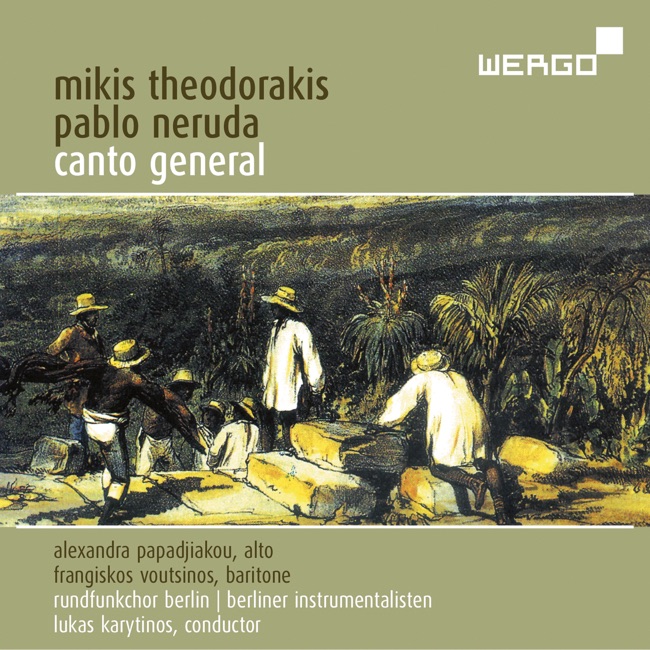
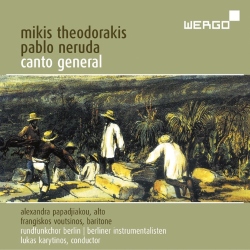
Works Info
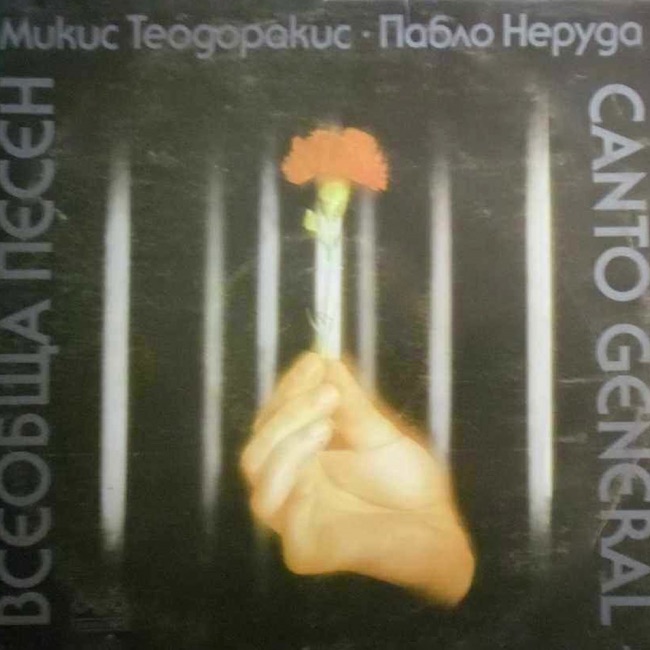
Composer:Mikis TheodorakisGenre:ChoralStyle:OratorioCompose Date:1971 - 1974Average_duration:113:05Canto General is a musical composition by Greek composer Mikis Theodorakis, based on the epic poem of the same name by Chilean poet Pablo Neruda. The composition was completed in 1975 and premiered in Paris in the same year. It is divided into 15 movements, each of which corresponds to a section of Neruda's poem. The first movement, "The Heights of Macchu Picchu," sets the tone for the entire composition with its powerful and dramatic opening. The music is characterized by its use of traditional Latin American rhythms and instruments, such as the charango and quena, as well as Theodorakis' signature use of the bouzouki. The second movement, "The People," is a celebration of the working class and their struggles for justice and equality. The music is characterized by its use of simple, repetitive melodies and driving rhythms. The third movement, "The Song of the Dead Children," is a haunting and mournful tribute to the victims of political violence. The music is characterized by its use of dissonant harmonies and sparse instrumentation. The fourth movement, "The United Fruit Co.," is a scathing critique of American imperialism and its exploitation of Latin America. The music is characterized by its use of syncopated rhythms and jarring dissonances. The fifth movement, "The Battle of the Trees," is a celebration of nature and its power to resist oppression. The music is characterized by its use of lush harmonies and soaring melodies. The sixth movement, "The People United Will Never Be Defeated," is a rousing anthem of solidarity and resistance. The music is characterized by its use of call-and-response vocals and driving rhythms. The seventh movement, "The Great Tablecloth," is a tribute to the indigenous peoples of Latin America and their rich cultural heritage. The music is characterized by its use of traditional Andean instruments and rhythms. The eighth movement, "The Partisan," is a tribute to the anti-fascist resistance fighters of World War II. The music is characterized by its use of martial rhythms and heroic melodies. The ninth movement, "The Sun," is a celebration of life and the natural world. The music is characterized by its use of bright, sunny harmonies and lively rhythms. The tenth movement, "The People's Spring," is a tribute to the revolutionary movements of the 20th century. The music is characterized by its use of driving rhythms and soaring melodies. The eleventh movement, "The Triumph of Death," is a meditation on mortality and the inevitability of death. The music is characterized by its use of somber harmonies and sparse instrumentation. The twelfth movement, "The Earthquake," is a dramatic depiction of a natural disaster. The music is characterized by its use of dissonant harmonies and chaotic rhythms. The thirteenth movement, "The New Song," is a celebration of the power of music to inspire and unite people. The music is characterized by its use of simple, catchy melodies and driving rhythms. The fourteenth movement, "The People's Flag," is a tribute to the revolutionary struggles of the working class. The music is characterized by its use of anthemic melodies and driving rhythms. The fifteenth and final movement, "The Hymn," is a triumphant celebration of life and the human spirit. The music is characterized by its use of soaring melodies and lush harmonies. Overall, Canto General is a powerful and moving tribute to the struggles and triumphs of the people of Latin America.More....
Works Music
Released Music
1
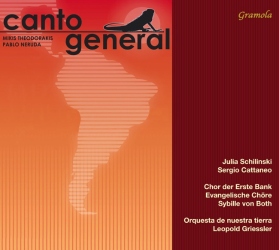
General Chant
No. 1. Algunas Bestias (Some Animals / Einige Tiere) - Lento - Andante - Allegro
10:44