Francisco Correa de Arrauxo
Tiento de primero tono No. 62
Released Album
Recent Album
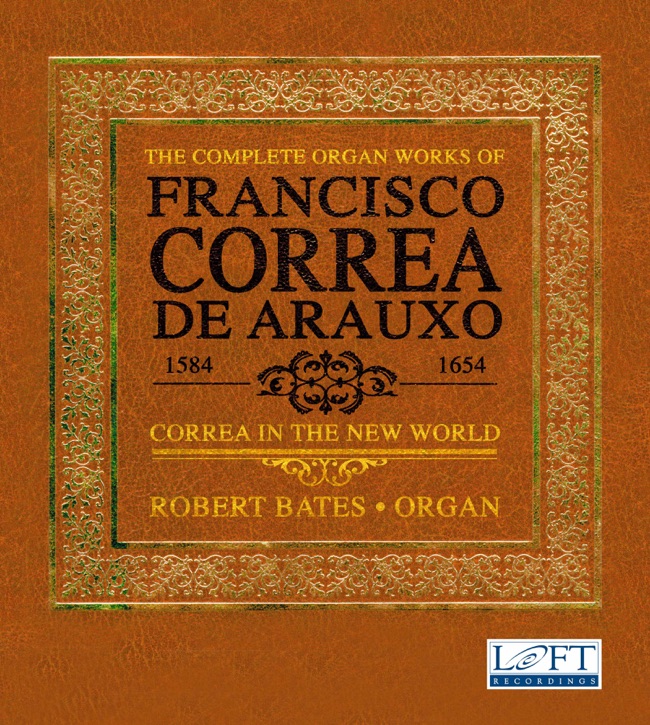
Works Info
Composer:Francisco Correa de ArrauxoGenre:KeyboardAverage_duration:10:27Francisco Correa de Arrauxo was a Spanish composer and organist who lived during the late Renaissance period. He is known for his contributions to the development of the tiento, a type of keyboard music that was popular in Spain during the 16th and 17th centuries. One of his most famous works is the Tiento de primero tono No. 62, which was composed in the early 17th century. The Tiento de primero tono No. 62 is a keyboard piece that is written in the first tono, which was a common mode used in Spanish music during the Renaissance period. It is a complex and virtuosic work that showcases the technical abilities of the performer. The piece is divided into several movements, each of which explores different musical ideas and techniques. The first movement of the Tiento de primero tono No. 62 is a lively and energetic section that features rapid arpeggios and intricate melodic lines. The second movement is more contemplative and introspective, with a slower tempo and a more subdued mood. The third movement is a lively and rhythmic section that features syncopated rhythms and complex harmonies. The final movement is a virtuosic tour-de-force that showcases the performer's technical abilities with fast runs and intricate ornamentation. One of the characteristics of the Tiento de primero tono No. 62 is its use of counterpoint, which is a technique that involves the interweaving of multiple melodic lines. Correa de Arrauxo was known for his skillful use of counterpoint, and this piece is a prime example of his mastery of the technique. The piece also features a wide range of dynamic contrasts, from soft and delicate passages to loud and powerful sections. The Tiento de primero tono No. 62 premiered in the early 17th century, and it quickly became a popular work among keyboard players in Spain. It has since become a staple of the keyboard repertoire, and it is still performed and studied by musicians today. Its complex and virtuosic nature makes it a challenging piece to perform, but its beauty and technical brilliance continue to captivate audiences and performers alike.More....
Works Music
Released Music