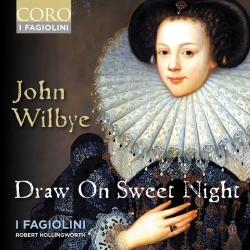
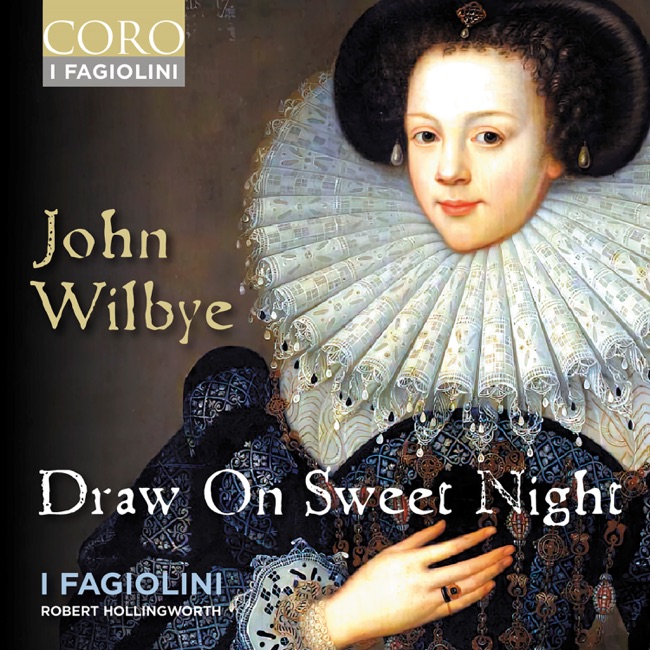
John Wilbye
O Wretched Man
Released Album
Recent Album

Works Info
Composer:John WilbyeGenre:VocalStyle:MadrigalCompose Date:1609Average_duration:3:34'O Wretched Man' is a choral work composed by John Wilbye, an English composer of the Renaissance era. The piece was likely composed in the early 17th century, although the exact date is unknown. It is believed to have been premiered in a church or chapel setting, as it is a sacred work. The piece is divided into four movements, each with its own distinct character and musical style. The first movement is a somber and introspective setting of the text "O wretched man that I am," which is taken from the New Testament book of Romans. The second movement is more lively and upbeat, with a joyful setting of the text "I thank God through Jesus Christ our Lord." The third movement returns to a more contemplative mood, with a setting of the text "For the law of the Spirit of life in Christ Jesus hath made me free." The final movement is a triumphant setting of the text "O death, where is thy sting? O grave, where is thy victory?" Throughout the piece, Wilbye employs a variety of musical techniques to convey the meaning and emotion of the text. He uses dissonance and chromaticism to create a sense of tension and conflict in the first movement, while the second movement features lively rhythms and joyful harmonies. The third movement is characterized by its use of suspensions and resolutions, which create a sense of release and freedom. The final movement features soaring melodies and triumphant harmonies, conveying a sense of victory over death and sin. Overall, 'O Wretched Man' is a powerful and moving choral work that showcases Wilbye's skill as a composer. Its combination of introspective and joyful movements, along with its use of musical techniques to convey the meaning of the text, make it a standout work of the Renaissance era.More....
Works Music
Released Music