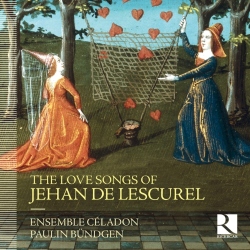
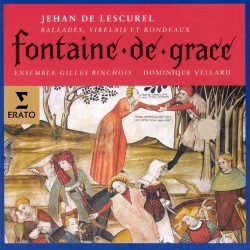
Jehannot de l'Escurel
Bonnement m'agrée
Released Album
Recent Album
Works Info
Composer:Jehannot de l'EscurelGenre:VocalStyle:Vocal MusicCompose Date:before 1305Average_duration:1:40"Bonnement m'agrée" is a medieval French song composed by Jehannot de l'Escurel. The exact date of its composition is unknown, but it is believed to have been written in the 14th century. The song is a part of the Ars Nova tradition, which was a musical style that emerged in France during the 14th century. The premiere of "Bonnement m'agrée" is also unknown, but it was likely performed in the courts of medieval France. The song is written in the form of a virelai, which was a popular form of medieval French poetry and music. The virelai consists of a refrain, or "burden," that is repeated throughout the song, interspersed with verses. "Bonnement m'agrée" has three movements, each with its own distinct melody and lyrics. The first movement begins with the refrain, "Bonnement m'agrée et plaisant," which translates to "I am pleased and delighted." The verses that follow describe the joys of love and the beauty of the beloved. The second movement begins with a new refrain, "Je suis en la mer amère," which translates to "I am in the bitter sea." The verses that follow describe the pain and suffering of love, as the speaker longs for the return of their beloved. The third and final movement returns to the original refrain, "Bonnement m'agrée et plaisant." The verses that follow describe the speaker's joy and happiness at the return of their beloved. Overall, "Bonnement m'agrée" is a beautiful example of medieval French music and poetry. Its use of the virelai form and the Ars Nova style make it a significant piece in the history of Western music. The song's themes of love, joy, and suffering are timeless and continue to resonate with audiences today.More....
Works Music