Henri Duparc
Sonata for cello & piano in A minor
Released Album
Recent Album
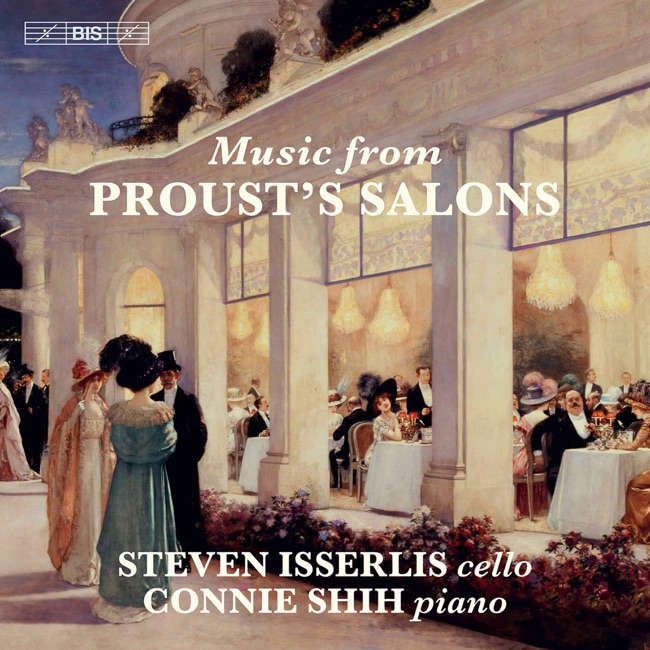
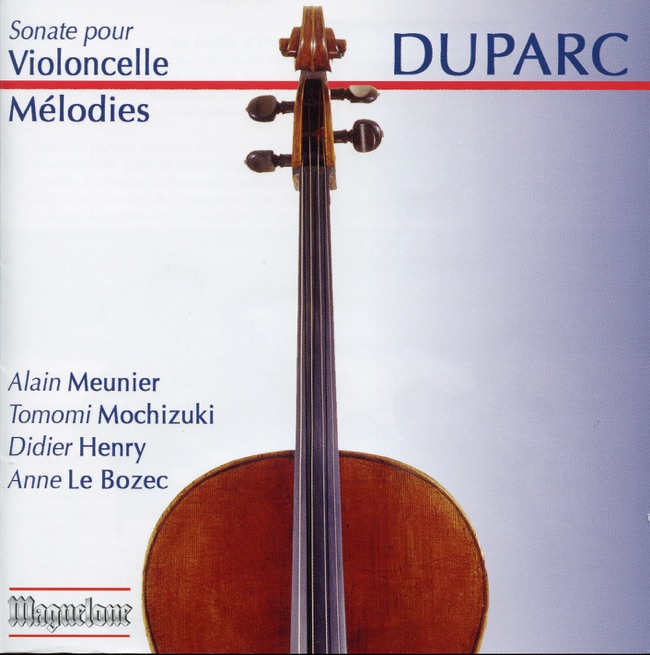
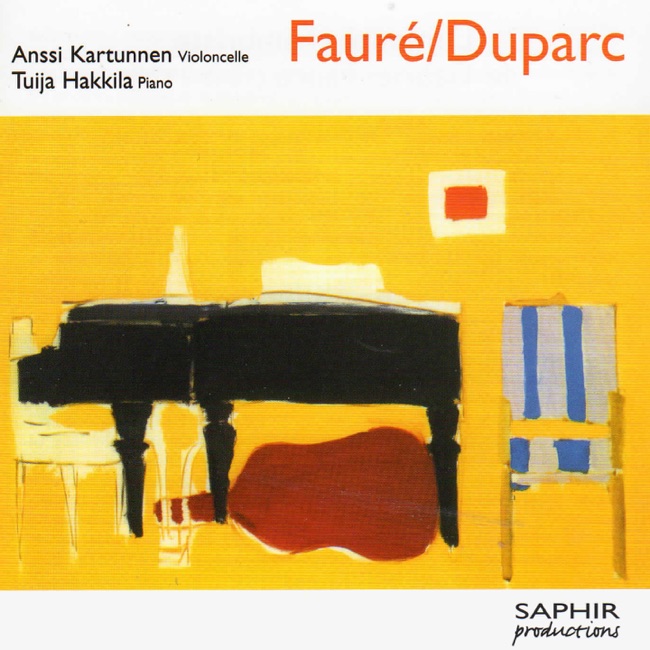
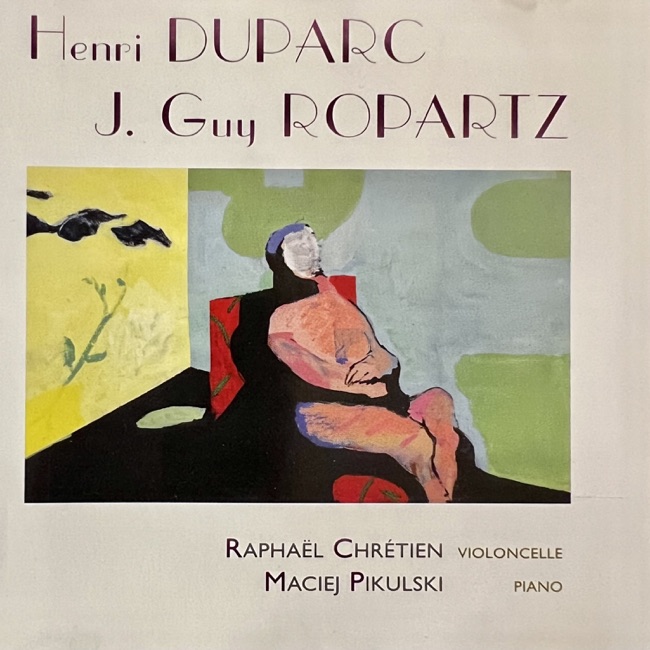
Works Info
Composer:Henri DuparcGenre:ChamberStyle:SonataCompose Date:1867Average_duration:15:52Movement_count:3Movement ....Henri Duparc's Sonata for cello and piano in A minor was composed in 1867, and premiered in Paris in 1910, long after the composer had stopped composing. The sonata is divided into three movements: Allegro, Très lent, and Finale. The first movement, Allegro, is marked by its lively and energetic character. The cello and piano engage in a lively dialogue, with the cello taking the lead in the opening theme. The movement is characterized by its use of syncopation and rhythmic complexity, which creates a sense of tension and urgency. The development section is particularly notable for its use of chromaticism, which adds a sense of harmonic richness to the movement. The second movement, Très lent, is a slow and introspective piece that contrasts sharply with the first movement. The cello takes center stage in this movement, with the piano providing a delicate and understated accompaniment. The movement is characterized by its use of long, lyrical lines and its expressive use of dynamics. The cello's mournful melody is particularly notable, as it creates a sense of melancholy and introspection. The final movement, Finale, is marked by its lively and playful character. The movement is characterized by its use of dance-like rhythms and its playful use of melody. The cello and piano engage in a lively dialogue, with each instrument taking turns leading the melody. The movement is notable for its use of syncopation and its playful use of harmony, which creates a sense of joy and exuberance. Overall, Henri Duparc's Sonata for cello and piano in A minor is a masterful work that showcases the composer's skill in both melody and harmony. The sonata is characterized by its use of complex rhythms, chromaticism, and expressive melodies, which create a sense of tension and urgency. The contrast between the lively first movement and the introspective second movement adds depth and complexity to the work, while the playful final movement provides a sense of joy and exuberance.More....
Works Music
Released Music