


Malcolm Arnold
Hobson's Choice
Released Album
Recent Album
Works Info
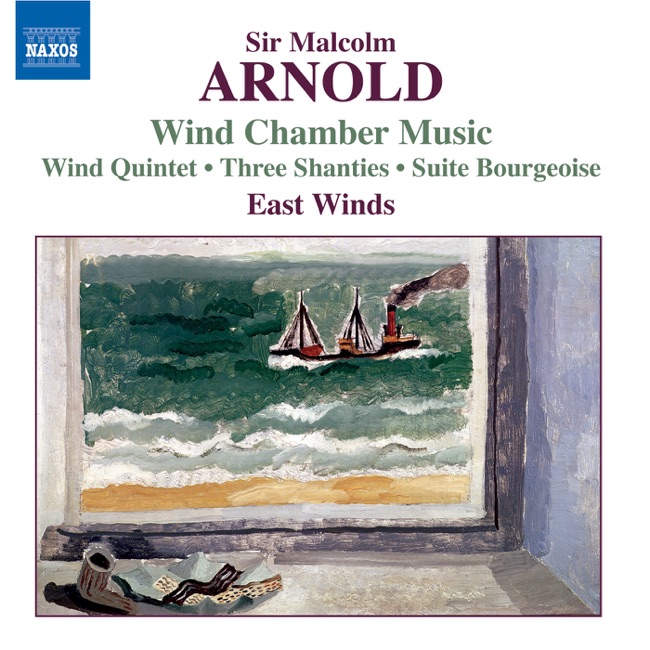
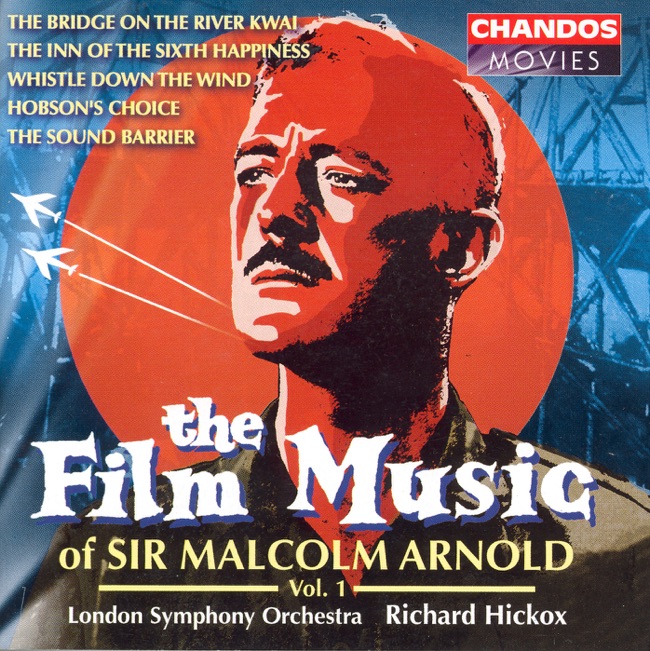
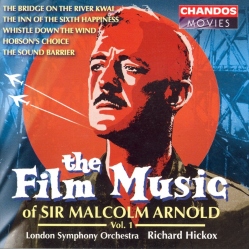
Composer:Malcolm ArnoldGenre:FilmStyle:Film ScoreCompose Date:1953Hobson's Choice is a British comedy-drama film directed by David Lean and released in 1954. The film is based on the play of the same name by Harold Brighouse, which was first performed in 1916. The film stars Charles Laughton as Henry Hobson, a widowed bootmaker in 1880s Salford, who is a heavy drinker and a tyrant to his three daughters. The film also stars Brenda De Banzie as Maggie, Hobson's eldest daughter, who rebels against her father's control and sets up her own successful bootmaking business. The soundtrack for Hobson's Choice was composed by Malcolm Arnold, who was a prolific British composer of film scores and classical music. Arnold's score for Hobson's Choice is notable for its use of traditional English folk tunes, which are woven into the fabric of the film's narrative. The score also features a prominent use of brass instruments, which give the music a lively and energetic feel. The film is divided into three movements, each of which corresponds to a different stage in Maggie's plan to break free from her father's control and establish her own business. The first movement, which is set in Hobson's shop, features a lively and upbeat score that reflects the bustling energy of the marketplace. The second movement, which takes place in Maggie's new shop, is more subdued and introspective, reflecting the challenges and uncertainties of starting a new business. The third movement, which features the climactic scene in which Hobson is forced to acknowledge Maggie's success, is triumphant and celebratory, with a rousing brass fanfare that underscores Maggie's victory. Overall, the soundtrack for Hobson's Choice is a masterful example of how music can enhance and enrich a film's narrative. Arnold's use of traditional folk tunes and brass instruments gives the score a distinctly English flavor, while also providing a sense of continuity and coherence to the film's three movements. The result is a score that is both lively and introspective, and which perfectly captures the spirit of the film's central character, Maggie.More....
Main Perform Artists