Franz Liszt
Die tote Nachtigall (I & II), S.291
Released Album
Recent Album
Featured Album
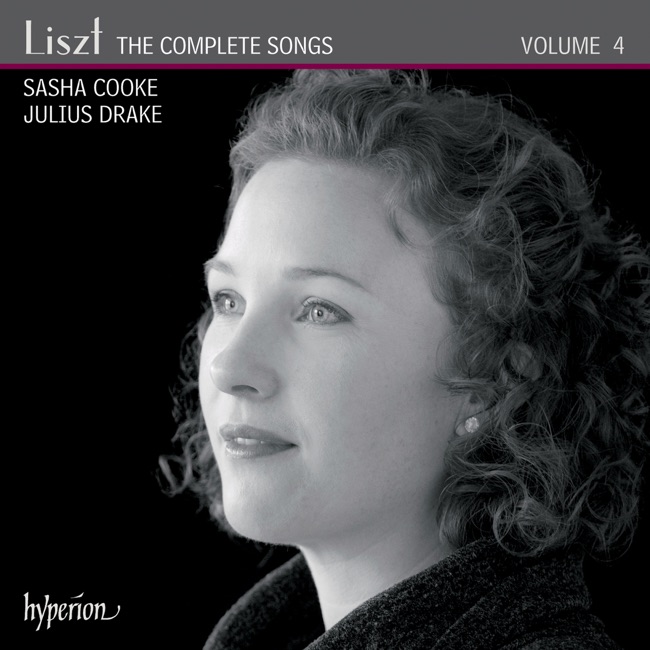
Works Info
Composer:Franz LisztGenre:VocalStyle:Vocal MusicCompose Date:1843 - 1878Publication Date:1844 - 1879Average_duration:4:01"Die tote Nachtigall" (The Dead Nightingale) is a two-part song cycle composed by Franz Liszt in 1881. The work is based on a poem by Nikolaus Lenau, a German poet who suffered from mental illness and died at a young age. The premiere of the work took place in Weimar, Germany, in 1882. The first part of the song cycle, "Die tote Nachtigall I," is a mournful and melancholic piece that captures the sadness and despair of the poem. The music is slow and somber, with Liszt using chromatic harmonies and dissonant chords to create a sense of unease and tension. The vocal line is also quite challenging, with the singer required to navigate a wide range of notes and express a range of emotions. The second part of the song cycle, "Die tote Nachtigall II," is a more upbeat and lively piece that contrasts with the first part. The music is faster and more energetic, with Liszt using a variety of rhythmic and melodic devices to create a sense of excitement and joy. The vocal line is also more virtuosic, with the singer required to perform a number of runs and trills. Overall, "Die tote Nachtigall" is a powerful and emotional work that showcases Liszt's skill as a composer and his ability to capture the essence of a poem in music. The work is notable for its use of chromatic harmonies, dissonant chords, and virtuosic vocal lines, which create a sense of drama and intensity. Despite its challenging nature, the work has become a staple of the vocal repertoire and is frequently performed by singers and pianists around the world.More....
Works Music
Released Music
Featured Music