


Peruvian Anonymous
Tonada del Chimo
Released Album
Recent Album
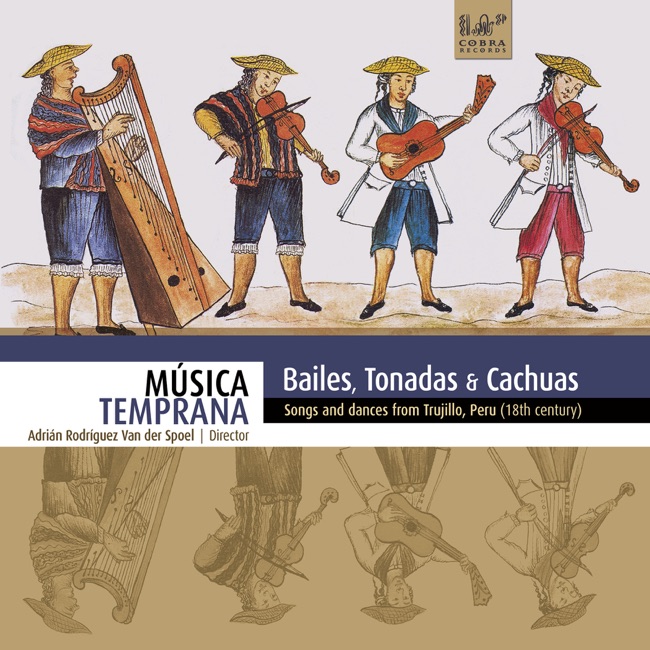
Featured Album
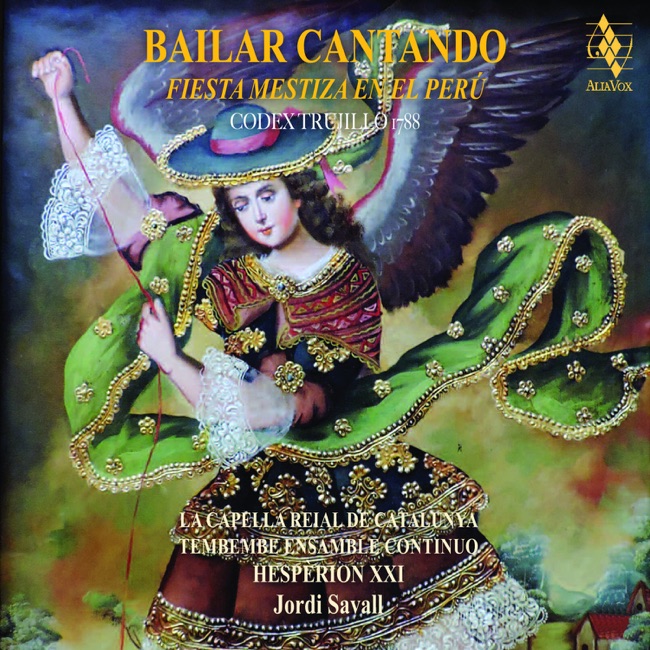
Works Info
Composer:Peruvian AnonymousGenre:VocalAverage_duration:6:47Tonada del Chimo is a traditional Peruvian folk song that has been passed down through generations. The composer of this song is unknown, but it is believed to have originated in the Andean region of Peru. The song is typically performed with a guitar and a charango, a small stringed instrument that is commonly used in Andean music. The exact date of composition is unknown, but it is believed to have been written in the 19th century. The song has since become a popular piece of Peruvian folklore and has been performed by many musicians and groups. Tonada del Chimo is a simple song that consists of two main movements. The first movement is slow and melancholic, while the second movement is faster and more upbeat. The song is typically sung in Quechua, an indigenous language spoken in the Andean region of Peru. The lyrics of Tonada del Chimo tell the story of a young shepherd who is in love with a girl from his village. The shepherd sings about his love for the girl and his desire to be with her. The song is a reflection of the simple and humble life of the Andean people, who are deeply connected to their land and their traditions. The characteristics of Tonada del Chimo are typical of Andean music. The song is characterized by its use of the charango, which gives it a unique and distinctive sound. The melody is simple and repetitive, with a strong emphasis on rhythm and harmony. The lyrics are poetic and reflect the natural beauty of the Andean landscape. Overall, Tonada del Chimo is a beautiful and timeless piece of Peruvian folklore that continues to be cherished and performed by musicians and audiences around the world. Its simple melody and heartfelt lyrics capture the essence of the Andean people and their deep connection to their land and their traditions.More....
Works Music
Released Music
Featured Music
1
Tune of the Chimo
Tonada de El Chimo a dos voces, Bajo y tamboril, para baylar cantando, E 180 (No. 6)
5:33