


Johann Schobert
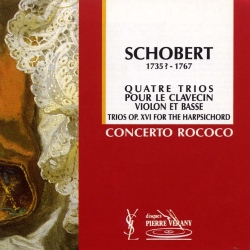
Trio for piano & strings No. 1 in B flat, Op. 16/1
Released Album
Recent Album
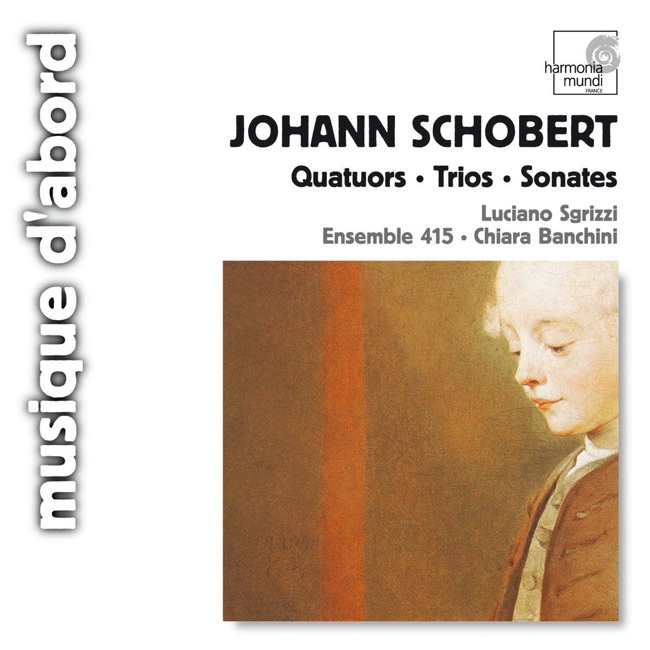
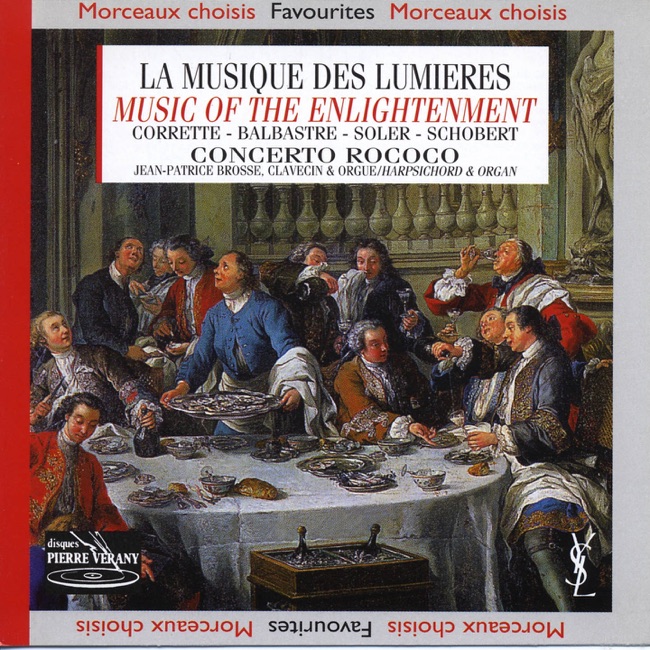
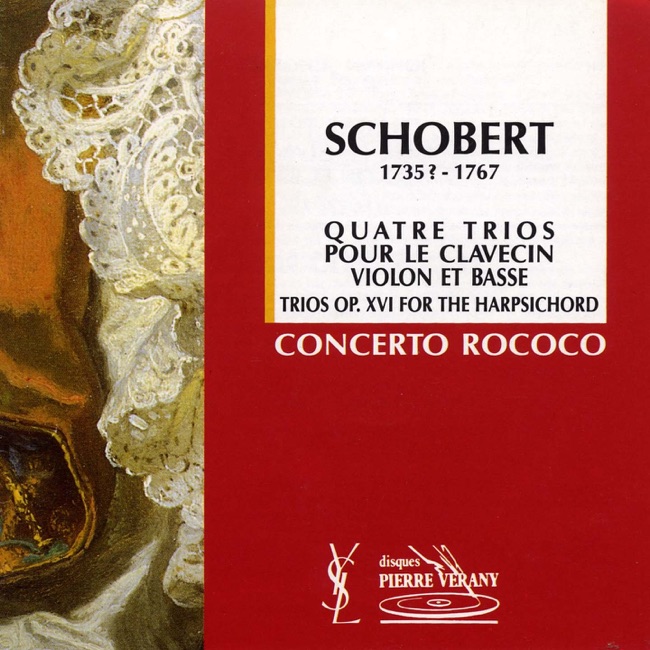
Works Info
Composer:Johann SchobertGenre:ChamberStyle:Chamber MusicAverage_duration:14:34Movement_count:3Movement ....Johann Schobert's Trio for piano & strings No. 1 in B flat, Op. 16/1 was composed in the late 18th century. The exact date of composition is unknown, but it is believed to have been written around 1770. The piece was premiered in Paris, where Schobert was living at the time, and quickly gained popularity throughout Europe. The Trio for piano & strings No. 1 in B flat, Op. 16/1 consists of three movements. The first movement is marked Allegro moderato and is in sonata form. The second movement is marked Andante and is a lyrical and expressive adagio. The final movement is marked Allegro and is a lively and energetic rondo. The Trio for piano & strings No. 1 in B flat, Op. 16/1 is characterized by its elegant and refined style. Schobert was known for his ability to write music that was both technically challenging and musically satisfying, and this piece is no exception. The piano part is particularly virtuosic, with rapid runs and arpeggios that showcase the instrument's capabilities. The Trio for piano & strings No. 1 in B flat, Op. 16/1 is also notable for its use of counterpoint. Schobert was influenced by the music of J.S. Bach, and this influence is evident in the intricate interplay between the piano and the strings. The piece is also notable for its use of dynamic contrasts, with sudden shifts from loud to soft and back again. Overall, the Trio for piano & strings No. 1 in B flat, Op. 16/1 is a masterful work that showcases Schobert's skill as a composer. Its elegant style and technical virtuosity have made it a favorite among performers and audiences alike, and it remains a popular piece in the chamber music repertoire to this day.More....
Works Music
Released Music
1
6:59
2

3:28
3
6:39