


Codex Las Huelgas Anonymous
Iocundare plebs fidelis
Released Album
Recent Album
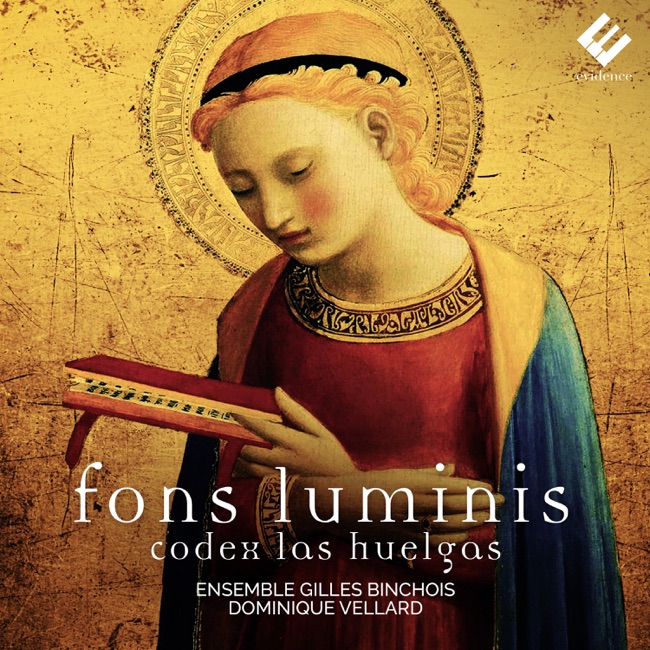
Featured Album

Works Info
Composer:Codex Las Huelgas AnonymousGenre:ChoralStyle:ChoralAverage_duration:4:03"Iocundare plebs fidelis" is a medieval chant composed by an anonymous composer from the Codex Las Huelgas, a manuscript from the 14th century that contains a collection of music from the Cistercian monastery of Santa María la Real de Las Huelgas in Burgos, Spain. The chant is believed to have been composed in the 13th century. The piece is a sequence, a type of liturgical chant that was popular in the Middle Ages. Sequences were sung after the Alleluia during the Mass and were often composed in rhymed verses. "Iocundare plebs fidelis" is a sequence for the feast of St. James the Apostle, the patron saint of Spain. The piece is divided into three movements. The first movement is a joyful and lively introduction that sets the tone for the rest of the piece. The second movement is a slower and more contemplative section that reflects on the life and deeds of St. James. The third movement returns to the joyful and celebratory mood of the first movement, with a repeated refrain of "Iocundare, plebs fidelis" ("Rejoice, faithful people"). The characteristics of "Iocundare plebs fidelis" reflect the style of medieval chant. The piece is monophonic, meaning it is sung in unison without harmony or accompaniment. The melody is based on a series of modes, or scales, that were used in medieval music. The rhythm is free, with the length of the notes determined by the text and the phrasing of the melody. Overall, "Iocundare plebs fidelis" is a lively and joyful piece of medieval chant that reflects the religious and cultural traditions of Spain in the Middle Ages.More....
Works Music
Released Music
Featured Music
1
Iocundare plebs fidelis
Iocundare, plebs fidelis, cuius Pater est in celis (Prose XVIII, E-BUIh, Ms, 11, no. 67, f. 60)
6:48