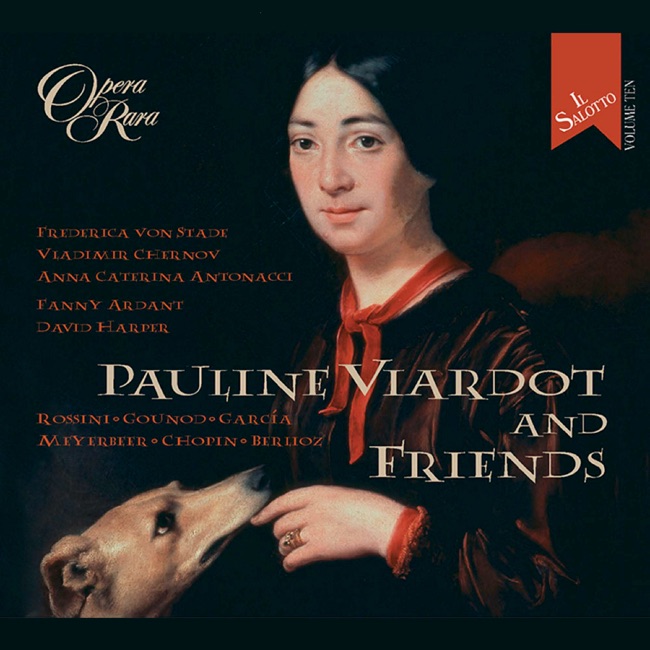
Pauline Viardot
La Chêne et le roseau
Released Album
Recent Album
Works Info
Composer:Pauline ViardotGenre:VocalStyle:Vocal MusicAverage_duration:4:22"La Chêne et le roseau" is a vocal duet composed by Pauline Viardot, a French composer, singer, and pianist. The piece was composed in 1864 and premiered in Paris the same year. The duet is based on a fable by Jean de La Fontaine, which tells the story of a proud oak tree and a humble reed. The piece is divided into three movements, each of which represents a different aspect of the fable. The first movement, marked "Allegro moderato," begins with a majestic melody played by the piano, representing the oak tree. The two voices then enter, singing in unison, before breaking into a dialogue between the oak and the reed. The oak boasts of its strength and beauty, while the reed humbly admits its weakness and fragility. The second movement, marked "Andantino," is a solo for the reed. The piano plays a gentle accompaniment as the reed sings of its ability to bend and sway in the wind, unlike the rigid oak tree. The melody is simple and lyrical, reflecting the reed's humility and grace. The final movement, marked "Allegro," is a duet between the oak and the reed. The oak repeats its boastful melody from the first movement, but this time the reed joins in, singing a counter-melody that weaves around the oak's melody. The two voices then come together in a harmonious conclusion, representing the moral of the fable: that humility and flexibility are more valuable than strength and pride. Viardot's composition is characterized by its simple, yet elegant melodies and its use of dialogue between the two voices. The piano accompaniment is also notable for its use of arpeggios and rolling chords, which create a sense of movement and flow. Overall, "La Chêne et le roseau" is a charming and timeless piece that captures the essence of La Fontaine's fable in a musical form.More....
Works Music
Released Music