Max Reger
Prelude for organ in D minor, Op. 65/7
Released Album
Recent Album
Featured Album
Works Info
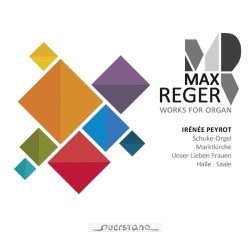
Composer:Max RegerGenre:KeyboardStyle:PreludeCompose Date:May 20, 1902Average_duration:7:21Max Reger's Prelude for organ in D minor, Op. 65/7, is a powerful and dramatic work that showcases the composer's mastery of the organ. The piece was composed in 1902 and premiered the same year in Leipzig, Germany. The Prelude is part of Reger's Opus 65, a collection of 12 pieces for organ that he composed between 1900 and 1902. The collection is considered one of Reger's most important works for the organ, and it showcases his unique style, which combines elements of traditional counterpoint with more modern harmonies and rhythms. The Prelude for organ in D minor is a single-movement work that lasts approximately six minutes. It begins with a slow, brooding introduction that sets the mood for the piece. The main section of the Prelude is marked by a fast, driving rhythm that is punctuated by powerful chords and intricate counterpoint. Throughout the piece, Reger makes use of a wide range of organ stops, from the softest flutes to the most powerful reeds. He also employs a variety of textures, from dense, complex harmonies to sparse, single-line melodies. One of the most striking features of the Prelude is its use of chromaticism. Reger frequently employs chromatic harmonies and melodies, which give the piece a sense of tension and unease. This tension is heightened by the piece's use of dissonance, which is often resolved in unexpected ways. Despite its complexity, the Prelude for organ in D minor is a highly accessible work that is beloved by organists and audiences alike. Its powerful, dramatic character and virtuosic writing make it a staple of the organ repertoire, and it continues to be performed and admired more than a century after its composition.More....
Works Music
Released Music
Featured Music