French Anonymous
Hé marotele / En praerie / Aptat
Released Album
Recent Album
Works Info
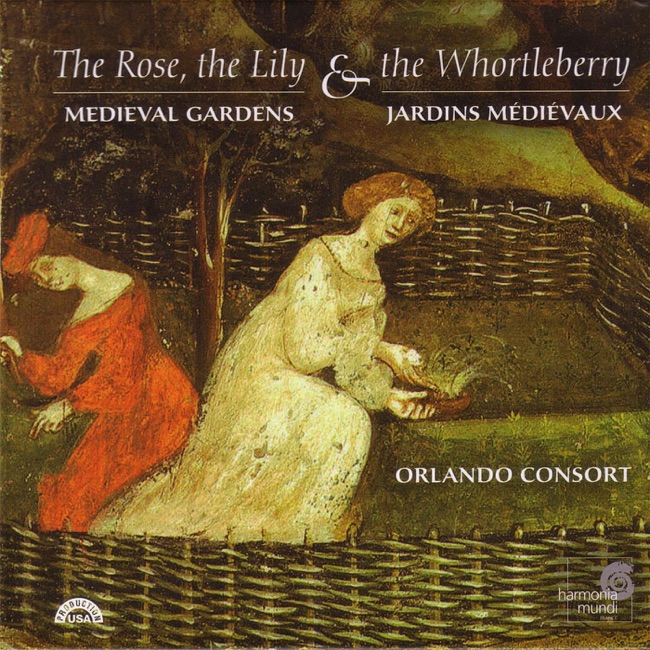
Composer:French AnonymousGenre:ChoralStyle:ChoralAverage_duration:1:09'Hé marotele / En praerie / Aptat' is a medieval French song that dates back to the 13th century. It is an anonymous composition that was likely performed in courtly settings and was popular among troubadours and trouvères. The song is written in the form of a rondeau, which is a type of French poetry that features a refrain that is repeated throughout the piece. The premiere of 'Hé marotele / En praerie / Aptat' is unknown, but it is believed to have been performed in the courts of medieval France during the 13th century. The song is made up of three movements, each with its own distinct characteristics. The first movement, 'Hé marotele,' is a lively and upbeat section that features a catchy refrain. The melody is light and playful, and the lyrics are filled with humorous and nonsensical phrases. The second movement, 'En praerie,' is a slower and more contemplative section that features a more somber melody. The lyrics are more serious and reflect on the beauty of nature and the passing of time. The final movement, 'Aptat,' is a return to the lively and upbeat melody of the first movement. The lyrics are once again filled with playful and nonsensical phrases, and the refrain is repeated several times throughout the section. The overall effect of the song is one of joy and celebration, with a touch of melancholy in the middle section. The characteristics of 'Hé marotele / En praerie / Aptat' reflect the courtly culture of medieval France. The song is filled with references to nature, love, and the passing of time, all themes that were popular among troubadours and trouvères. The use of the rondeau form, with its repeated refrain, adds to the playful and joyful nature of the piece. Overall, 'Hé marotele / En praerie / Aptat' is a charming and delightful example of medieval French music. Its catchy melodies and playful lyrics have made it a popular piece among modern performers of early music, and it continues to be enjoyed by audiences around the world.More....
Works Music