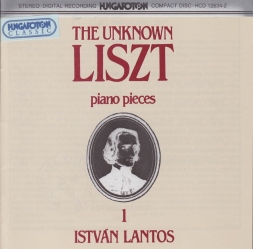
Franz Liszt
Urbi et Orbi -- Bénédiction papale, S. 184
Released Album
Recent Album

Works Info
Composer:Franz LisztGenre:KeyboardStyle:KeyboardCompose Date:1864Publication Date:1970Average_duration:5:53Franz Liszt's 'Urbi et Orbi -- Bénédiction papale, S. 184' is a choral work that was composed in 1867. It was premiered on December 25, 1867, at St. Peter's Basilica in Rome, during the Christmas Mass celebrated by Pope Pius IX. The work is divided into three movements, each of which is characterized by its own unique musical style and thematic material. The first movement, 'Pater Noster,' is a setting of the Lord's Prayer. It begins with a solemn and meditative introduction, featuring a solo cello and organ. The choir then enters, singing the prayer in unison. The music gradually builds in intensity, with the choir and organ alternating between sections of quiet contemplation and powerful, full-throated declarations of faith. The second movement, 'Ave Maria,' is a setting of the Hail Mary. It is a more lyrical and melodic piece than the first movement, with the choir singing in a gentle, flowing style. The music is characterized by its use of rich harmonies and lush textures, which create a sense of warmth and comfort. The final movement, 'Bénédiction papale,' is a setting of the Pope's blessing. It is the most dramatic and powerful of the three movements, featuring a full choir and orchestra. The music is characterized by its use of grand, sweeping melodies and majestic harmonies, which convey a sense of awe and reverence. The choir sings the blessing in Latin, with the orchestra providing a rich and vibrant accompaniment. Overall, 'Urbi et Orbi -- Bénédiction papale, S. 184' is a powerful and moving work that showcases Liszt's skill as a composer. Its three movements are each unique in their own way, but together they form a cohesive and deeply spiritual whole. The work is a testament to Liszt's deep faith and his ability to express it through music.More....
Works Music
Released Music
5

5:37
6
3:57