Wilhelm Friedemann Bach
Flute Concerto in D major, (BR C15)
Released Album
Recent Album
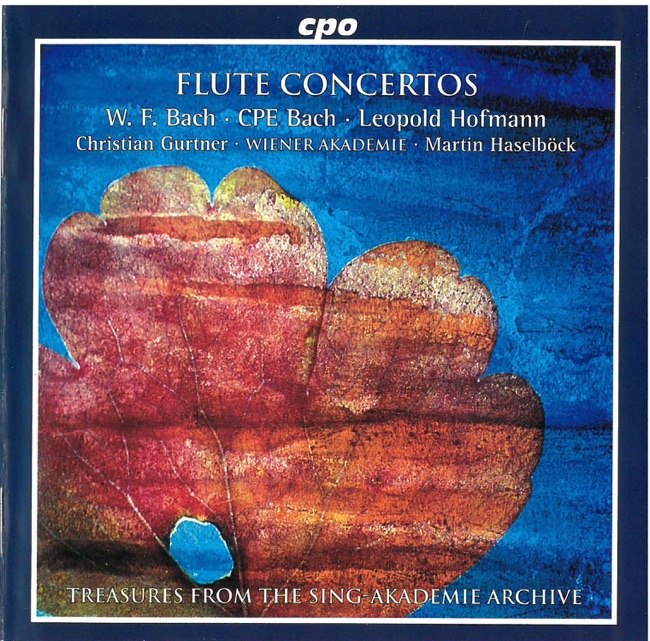
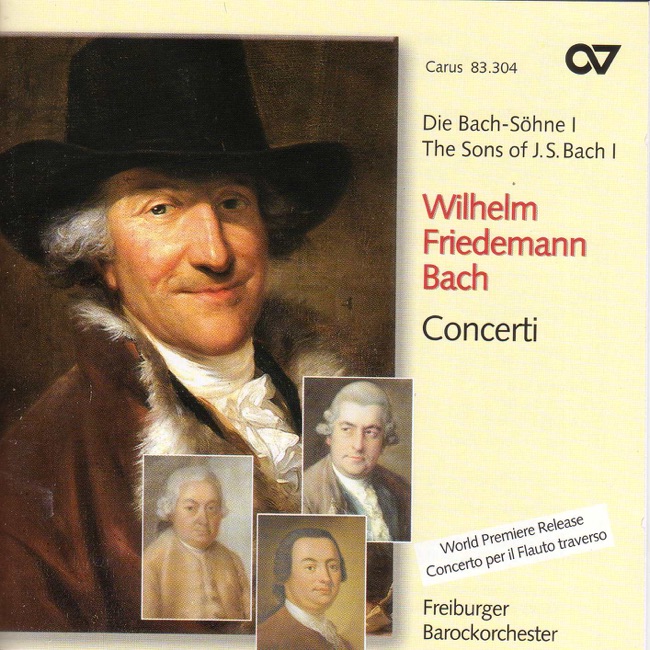
Featured Album
Works Info
Composer:Wilhelm Friedemann BachGenre:ConcertoStyle:ConcertoCompose Date:ca. 1775Average_duration:21:26Movement_count:3Movement ....Wilhelm Friedemann Bach, the eldest son of Johann Sebastian Bach, composed his Flute Concerto in D major, BR C15, in the mid-18th century. The exact date of composition is unknown, but it is believed to have been written between 1747 and 1750. The concerto was premiered in Leipzig, Germany, where Wilhelm Friedemann was working as an organist and composer. The concerto consists of three movements: Allegro, Largo e mesto, and Presto. The first movement, Allegro, is in sonata form and features a lively and energetic melody played by the flute. The orchestra provides a supportive accompaniment, with the strings playing a rhythmic pattern that underpins the soloist's virtuosic flourishes. The second movement, Largo e mesto, is a slow and mournful aria that showcases the flute's expressive capabilities. The orchestra provides a delicate and understated accompaniment, allowing the soloist to shine. The final movement, Presto, is a lively and playful dance that features rapid-fire runs and trills from the flute. The orchestra provides a lively and energetic accompaniment, with the strings and winds trading off playful melodies with the soloist. The Flute Concerto in D major is a prime example of Wilhelm Friedemann Bach's compositional style. He was known for his innovative use of harmony and counterpoint, and this concerto showcases his ability to create complex and engaging musical textures. The concerto also demonstrates his skill at writing for the flute, which was a relatively new instrument at the time. He takes full advantage of the flute's range and capabilities, creating a work that is both technically challenging and musically satisfying. Overall, the Flute Concerto in D major, BR C15, is a delightful and engaging work that showcases Wilhelm Friedemann Bach's skill as a composer and his understanding of the flute as a solo instrument. Its three movements offer a range of moods and styles, from the lively and energetic Allegro to the mournful and expressive Largo e mesto to the playful and virtuosic Presto. It remains a popular work in the flute repertoire and a testament to Wilhelm Friedemann Bach's musical legacy.More....
Works Music
Released Music
Featured Music