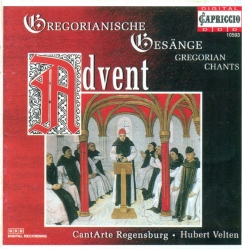
Gregorian Chant
Laetatus sum, alleluia in mode 1, GR 5)
Released Album
Recent Album
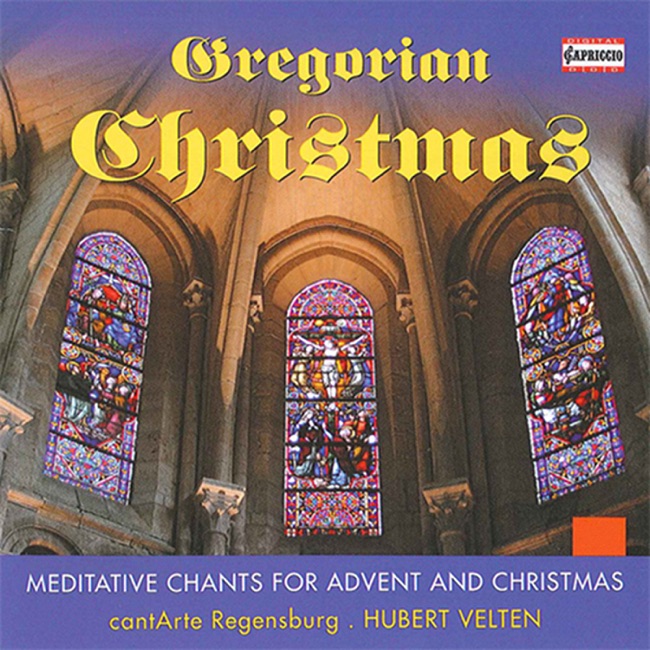
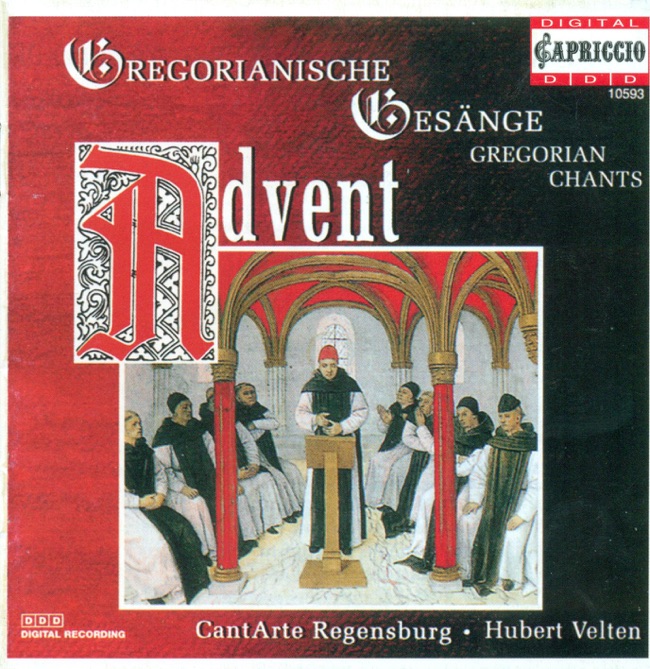
Works Info
Composer:Gregorian ChantGenre:ChoralStyle:ChantAverage_duration:2:26'Laetatus sum, alleluia in mode 1, GR 5' is a Gregorian chant that is believed to have been composed in the 10th century. The chant is a part of the liturgy of the Roman Catholic Church and is typically sung during the Vespers service on Sundays and feast days. The chant is divided into three movements, each with its own distinct characteristics. The first movement is characterized by a joyful and celebratory tone, with the choir singing the words "Laetatus sum in his quae dicta sunt mihi" (I rejoiced when they said to me). The melody is simple and repetitive, with a focus on the word "laetatus" (rejoiced), which is repeated several times throughout the movement. The second movement is more contemplative and introspective, with the choir singing "Ad domum Domini ibimus" (We will go to the house of the Lord). The melody is more complex and features a series of rising and falling notes that create a sense of movement and progression. The final movement is a return to the joyful and celebratory tone of the first movement, with the choir singing "Gloria Patri et Filio et Spiritui Sancto" (Glory be to the Father, and to the Son, and to the Holy Spirit). The melody is similar to the first movement, with a focus on the word "Gloria" (glory), which is repeated several times throughout the movement. Overall, 'Laetatus sum, alleluia in mode 1, GR 5' is a beautiful and uplifting chant that is a testament to the enduring power and beauty of Gregorian chant. Its simple yet powerful melodies and lyrics continue to inspire and uplift listeners to this day.More....
Works Music
Released Music
1
Laetatus catfish, alleluia in mode 1, GR 5)
Laetatus sum, halleluja (Zweiter Adventssonntag) (2nd Sunday in Advent)
2:21