Antonio Lotti
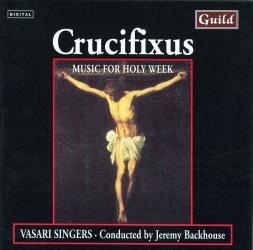
Crucifixus, Motet a 6
Released Album
Recent Album
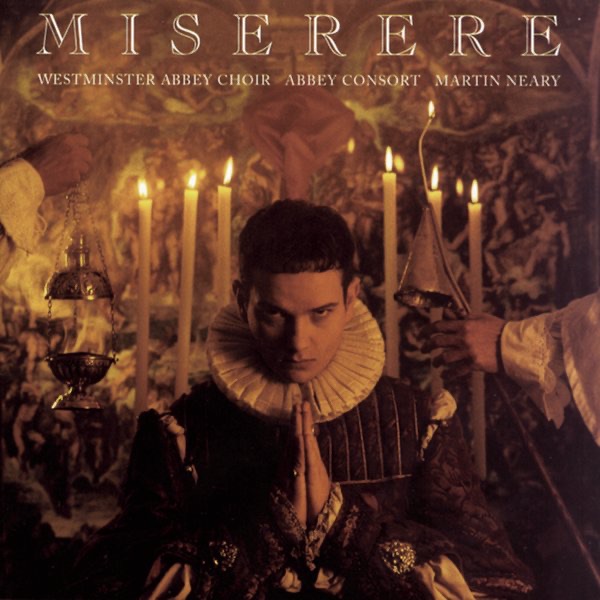
Featured Album

Works Info
Composer:Antonio LottiGenre:ChoralStyle:MotetAverage_duration:2:57Antonio Lotti's 'Crucifixus, Motet a 6' is a choral work that was composed in the Baroque era. The piece was likely composed in the early 18th century, although the exact date of composition is unknown. The motet was first performed in Venice, Italy, where Lotti spent most of his career. The piece is divided into six movements, each of which is characterized by its own unique musical style and structure. The first movement is a slow and mournful introduction, featuring a solo soprano voice singing the words "Crucifixus etiam pro nobis" (He was crucified also for us). The second movement is a lively fugue, featuring the full choir singing the words "Passus, et sepultus est" (He suffered and was buried). The third movement is a slow and contemplative section, featuring a solo alto voice singing the words "Et resurrexit tertia die" (And on the third day he rose again). The fourth movement is a fast and energetic section, featuring the full choir singing the words "Et ascendit in coelum" (And ascended into heaven). The fifth movement is a slow and mournful section, featuring a solo tenor voice singing the words "Et iterum venturus est" (And he shall come again). The final movement is a grand and triumphant section, featuring the full choir singing the words "Judicare vivos et mortuos" (To judge the living and the dead). The piece is characterized by its use of polyphony, which is a musical technique that involves multiple voices singing different melodies at the same time. Lotti's use of polyphony creates a rich and complex texture that is both beautiful and powerful. The piece also features a wide range of vocal techniques, including solo sections, duets, and full choir sections. Overall, Lotti's 'Crucifixus, Motet a 6' is a stunning example of Baroque choral music. Its intricate polyphony, powerful vocal techniques, and emotional depth make it a timeless masterpiece that continues to be performed and admired today.More....